World Bank flags AI exposure for 61% of Pakistan's service-sector workers
Artificial intelligence could reshape Pakistan's labour market, with 61 percent of service-sector workers employed in occupations with above-median AI exposure, according to a World Bank report. The findings, published in the Bank's Pakistan Development Update and a companion report titled Job Opportunities and AI in Pakistan, point to both productivity gains and potential displacement as the technology spreads.
The exposure is unevenly distributed. The World Bank puts the share of workers in above-median AI-exposed occupations at 7 percent in manufacturing, 5 percent in other industrial sectors and less than one percent in agriculture. Within services, wholesale and retail trade, financial and insurance activities, real estate and education are among the subsectors where more than 80 percent of workers hold highly exposed roles, the report says.
Pakistan's average occupational AI exposure score in 2024 stood 0.48 standard deviations below the median occupation, broadly in line with the average for emerging markets and developing economies, according to the Bank. The report distinguishes between occupations where AI could assist workers and those where it could substitute for them: around 18 percent of employed workers were in occupations with both high exposure and high human-AI complementarity, while 8 percent were in highly exposed occupations with low complementarity.
Real estate and education are characterised primarily by complementary exposure, suggesting scope for AI-assisted productivity improvements, the Bank says. Wholesale and retail trade combines a large employment share with high exposure, making it particularly important for the labour-market transition. Agriculture, which employs a large share of the workforce, remains concentrated in low-exposure occupations, which the report says could limit AI's immediate impact there.
The Bank stresses that the economic significance of exposure depends on how many workers are employed in affected sectors, not exposure levels alone, and cautions that outcomes will hinge on how businesses and workers adopt the technology and on the availability of skills and complementary investment. For Pakistan, it says, the findings underline the need to prepare workers for changing occupational requirements while enabling businesses to use AI to lift productivity.
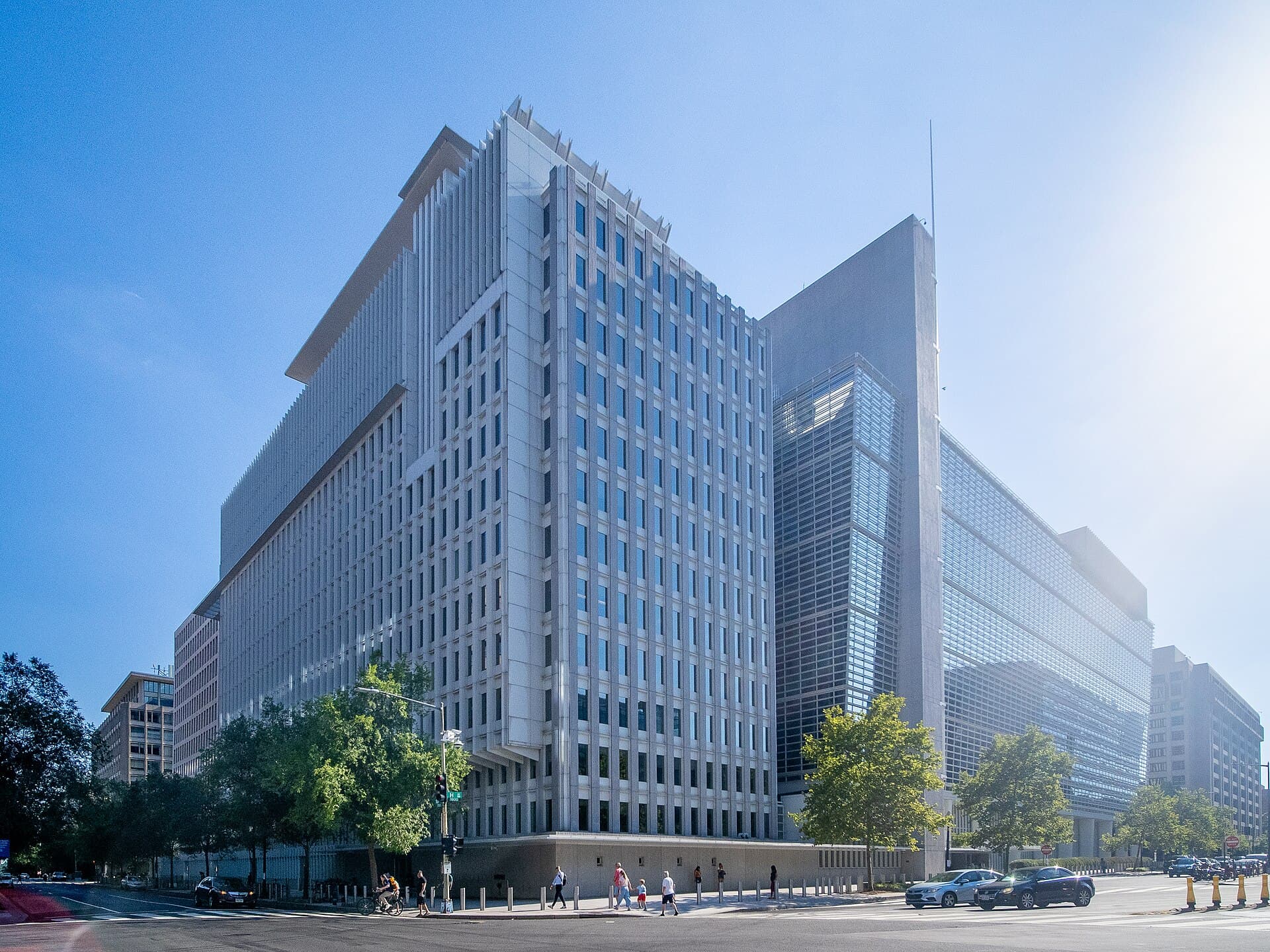
Image: ajay_suresh / CC BY 2.0