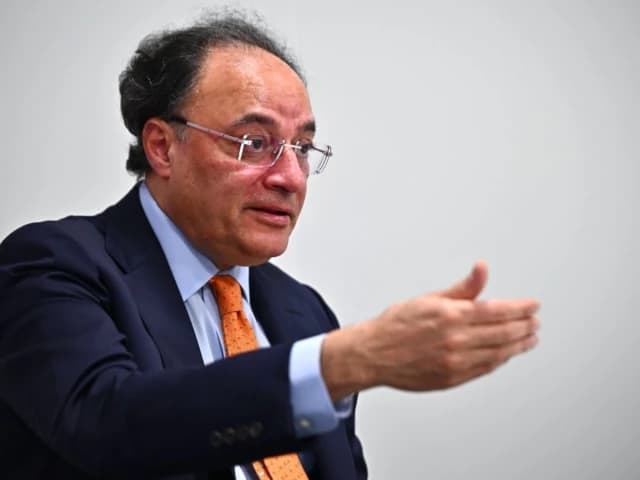
Aurangzeb says Gulf energy attacks worrying for Pakistan's outlook

Pakistan has so far absorbed the shock of surging global energy prices triggered by the Iran war, but attacks on energy infrastructure in Saudi Arabia and other Gulf states pose a growing risk to its economic outlook, Finance Minister Muhammad Aurangzeb told AFP.
Speaking on the sidelines of the IMF-World Bank Annual Meetings in Bangkok, Aurangzeb said Pakistan had secured enough energy supplies to last through November and was now planning for the winter months, when household demand typically rises. He said there had been no shortages, no queues at filling stations and no law and order problems of the kind seen in some other countries. Unless there was an absolute dire need, he said, the government would not buy spot LNG cargoes, which tend to be far more expensive than contracted shipments.
His concern centred on the wider conflict. Since the United States and Israel launched the war on Iran in February, global energy prices have surged as Tehran's retaliation targeted Washington's Gulf allies and curtailed oil and gas supplies. With Yemen's civil war flaring again, Houthi forces have repeatedly struck Saudi infrastructure, including energy facilities and airports. Aurangzeb said he did not know where the escalation would go, but that if the infrastructure continued to be hit, the return to normalcy would take longer even if things subsided.
Pakistan is in the midst of its 25th IMF programme, a roughly $7 billion, three-year arrangement under which the Fund agreed this month to release a $1.2 billion tranche. The IMF has urged all economies, including those most exposed to the Iran war shock, to pursue fiscal consolidation. Aurangzeb said Pakistan had been on that path for some time, pointing to growth in tax revenues and a push against businesses that collect sales tax from consumers but never remit it, which he said accounted for billions of dollars. He acknowledged there was room to improve income tax collection and said reforms had met resistance from industry, lobbying groups and vested interests.
Asked about commercial enterprises run by the military, a sector spanning real estate to fertiliser, Aurangzeb denied they received state funding, saying they operated on a standalone and profitable basis and that the government was not providing any funds from the exchequer. Privatisation of state-owned assets is a major pillar of the IMF programme criteria.