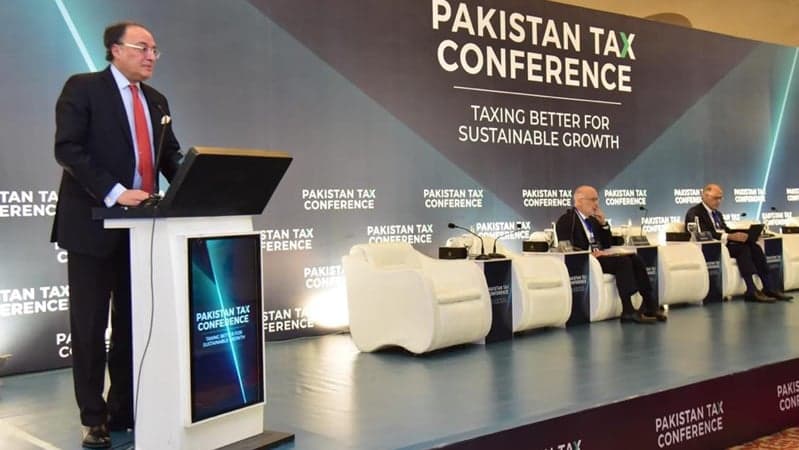
Shehbaz Sharif orders FBR restructuring with operational autonomy at its core

Prime Minister Shehbaz Sharif has issued fresh directives to reform and restructure the Federal Board of Revenue, with official sources saying the plan centres on granting the tax collection agency complete operational autonomy. According to those sources, the aim is to let the tax system run without arbitrary interference, and they argue that political neutrality is essential to an effective tax administration. Senior government officials are said to be working on strategic reform frameworks to modernise tax operations.
The sources said political influence has consistently hindered tax collection historically, and that structural independence would remove personal bias and political favouritism from revenue operations. In their account, an autonomous authority could enforce compliance uniformly without undue external pressure, and policy advisers believe such independence would rebuild public trust in the national tax system. The government's stated aim is to separate administrative functions from political considerations entirely.
The restructuring has gained urgency from a revenue shortfall of 868 billion rupees, which the sources describe as a sign of operational inefficiencies and structural defects in current collection mechanisms. Failure to meet targets, they say, threatens national fiscal stability and economic growth plans, and financial experts are calling for immediate technological upgrades and stronger policy enforcement.
Successive governments have introduced tax reform packages over the past three decades, and high-level committees have produced detailed reports and recommendations in recent years. The sources say weak implementation and political hesitation repeatedly stalled meaningful progress, and that partial reforms failed to deliver sustainable revenue growth or broaden the tax base. Policy analysts are urging full implementation without further administrative delay.
The government frames an independent revenue authority as central to long-term economic self-reliance, arguing it would streamline assessment and curb evasion in major sectors, while transparent collection protocols would encourage foreign investment. Whether the political will exists to make the changes permanent is the open question the sources themselves raise.