Long marches cost Pakistan about Rs120 billion a day, economist estimates
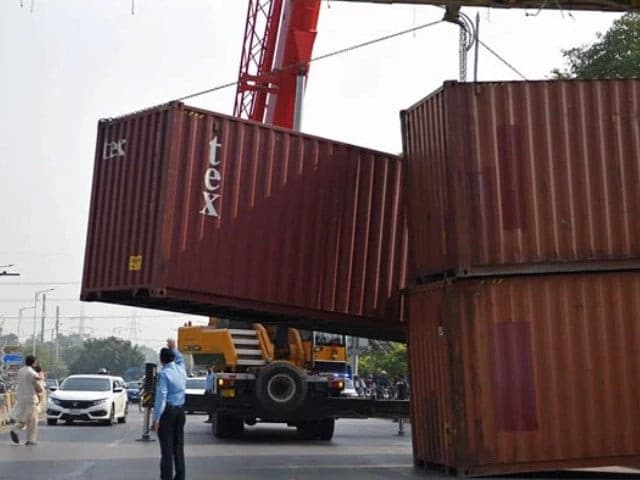
Nationwide political disruption costs Pakistan's economy approximately Rs120 billion in lost output for each day of strikes and long marches, according to official estimates compiled by the Ministry of Finance and economic research think tanks, as cited by an international economist in an analysis of the recurring protest cycles.
The breakdown offered in the analysis attributes Rs86 billion a day to lost wholesale and retail trade, banking clearing, urban transport and hospitality, and Rs25 billion to halted large-scale manufacturing as shifts fail to report and export consignments miss feeder vessels. Perishable goods rotting in stranded trucks are put at Rs9 billion a day, while the exchequer forgoes about Rs17 billion in customs duties, sales tax and withholding receipts. Security deployments and logistics are estimated at Rs5 billion to Rs10 billion per threat cycle.
The analysis argues that a march or sit-in lasting a week, or recurring over a volatile quarter, shaves 0.2% to 0.5% off annual real GDP, eroding fiscal headroom and undermining sovereign credit ratings at a time when Pakistan is trying to move from emergency stabilisation to sustainable growth under multilateral debt covenants.
Mobile internet suspensions imposed to restrict coordination carry their own cost. The analysis cites industry data showing software house billings and digital services exports falling by as much as 80% during outage windows, with global clients enforcing service level agreements and dropping vendors. Textile exporters, it says, face missed shipping windows and must charter emergency airfreight at five to eight times ocean rates or lose seasonal orders, while buyers shift future sourcing to Vietnam, Bangladesh and India.
The burden falls hardest on informal workers, who make up between 70% and 80% of the non-agricultural labour force in urban centres and have no remote-work options or severance. The writer calls for designated protest enclaves away from commercial corridors, an end to freight blockades and blanket connectivity shutdowns, and a cross-party charter placing critical infrastructure, digital connectivity and export supply chains off-limits to partisan conflict.