Revolut in active talks with Philippines central bank for a digital banking licence
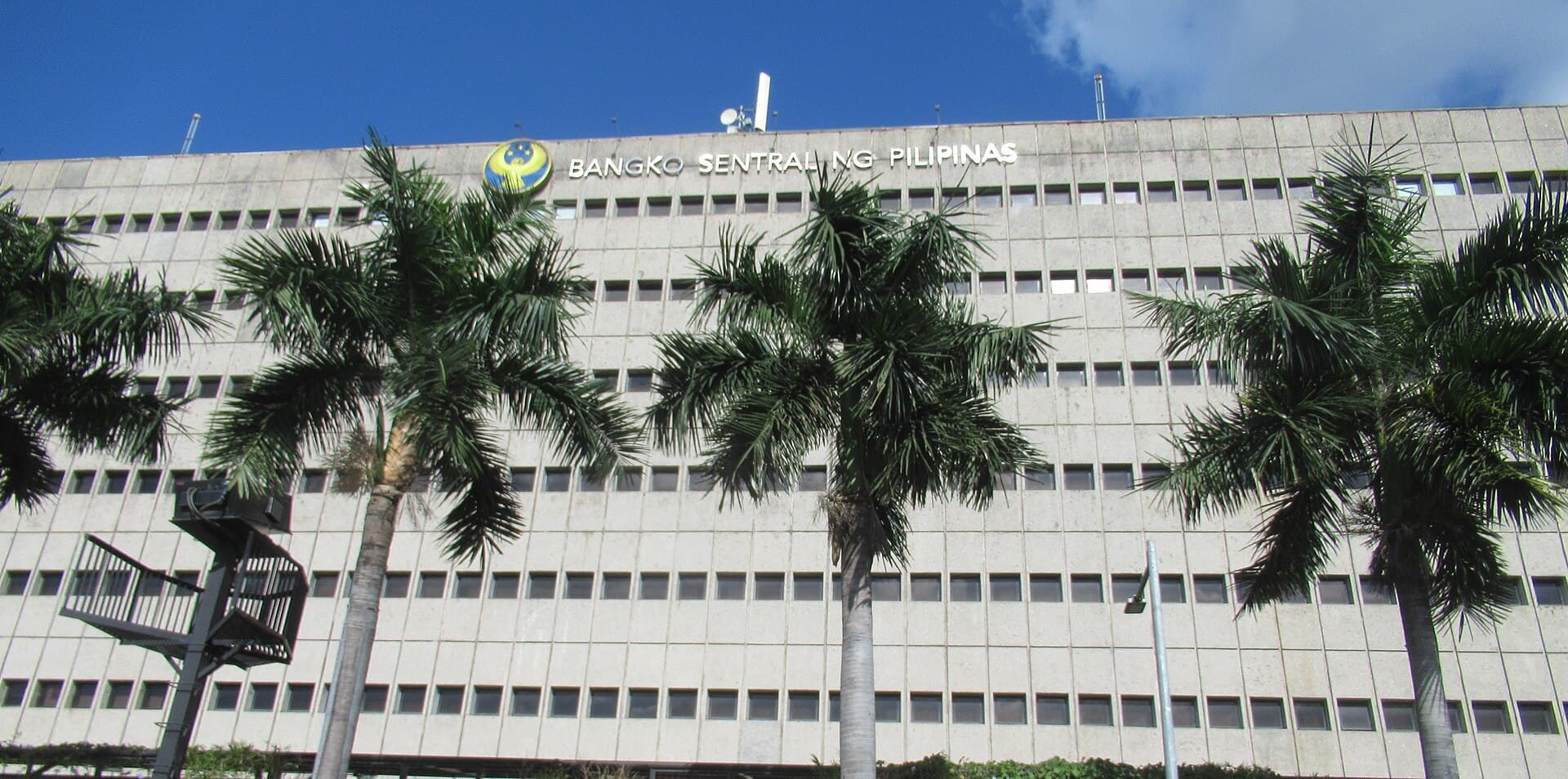
Revolut is in active talks with the Bangko Sentral ng Pilipinas about a digital banking licence, a senior central bank official said, as the UK fintech seeks a foothold in one of Southeast Asia's fastest-growing digital finance markets.
BSP Deputy Governor Lyn I. Javier, who heads the regulator's Financial Supervision Sector, said Revolut has been vocal about its ambition to join the Philippine digital banking sector. "We're still in discussions with them and they are still interested. I think they are vocal about it," Javier told reporters on the sidelines of an event on Thursday. Whether a licence could be granted within the year depends on Revolut meeting the BSP's requirements for establishing a foreign bank presence, she said. "They have to go through certain processes and meet the requirements," Javier said. "But discussions are still ongoing and very active."
The talks follow the BSP's decision in January 2025 to open four slots for new digital banks after a three-year moratorium on applications. The central bank later said three applicants met its 30 November deadline, and in July it named Maribank Philippines, which previously held a rural banking licence, as the country's newest digital bank. That brought the total of BSP-licensed digital banks to seven, alongside GoTyme Bank, Maya Bank, Overseas Filipino Bank, Tonik Digital Bank, UnionDigital Bank and UNObank.
Revolut already holds banking licences in the United Kingdom, Australia, Colombia and France, has conditional approval to establish a bank in the United States, and sought a Swiss banking licence in September, according to Token Times. Its Philippine push would put it in direct competition with the country's incumbent digital lenders for underserved customers.
Javier also said any decision to open further slots for traditional banks converting into digital banks would rest with the Monetary Board. The BSP said in a circular issued late in September that it may issue additional licences by converting existing thrift, rural and cooperative banks, particularly those with digital-first models, and will weigh candidates' readiness to run a digital bank, governance and systems, value proposition, business model and resources.