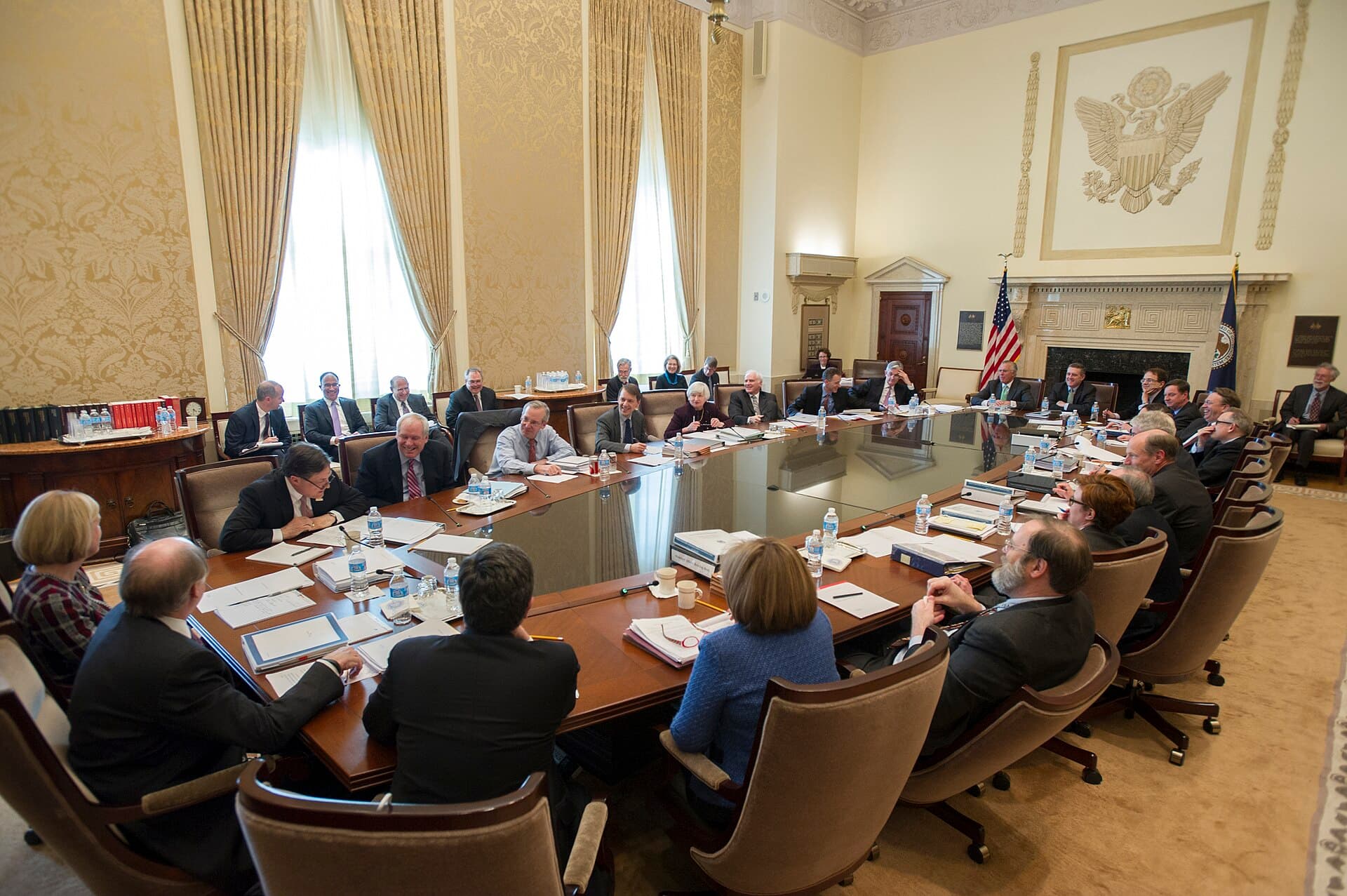
Fed tipped to hold at 3.75%-4% as traders price an 83% chance of a December hike
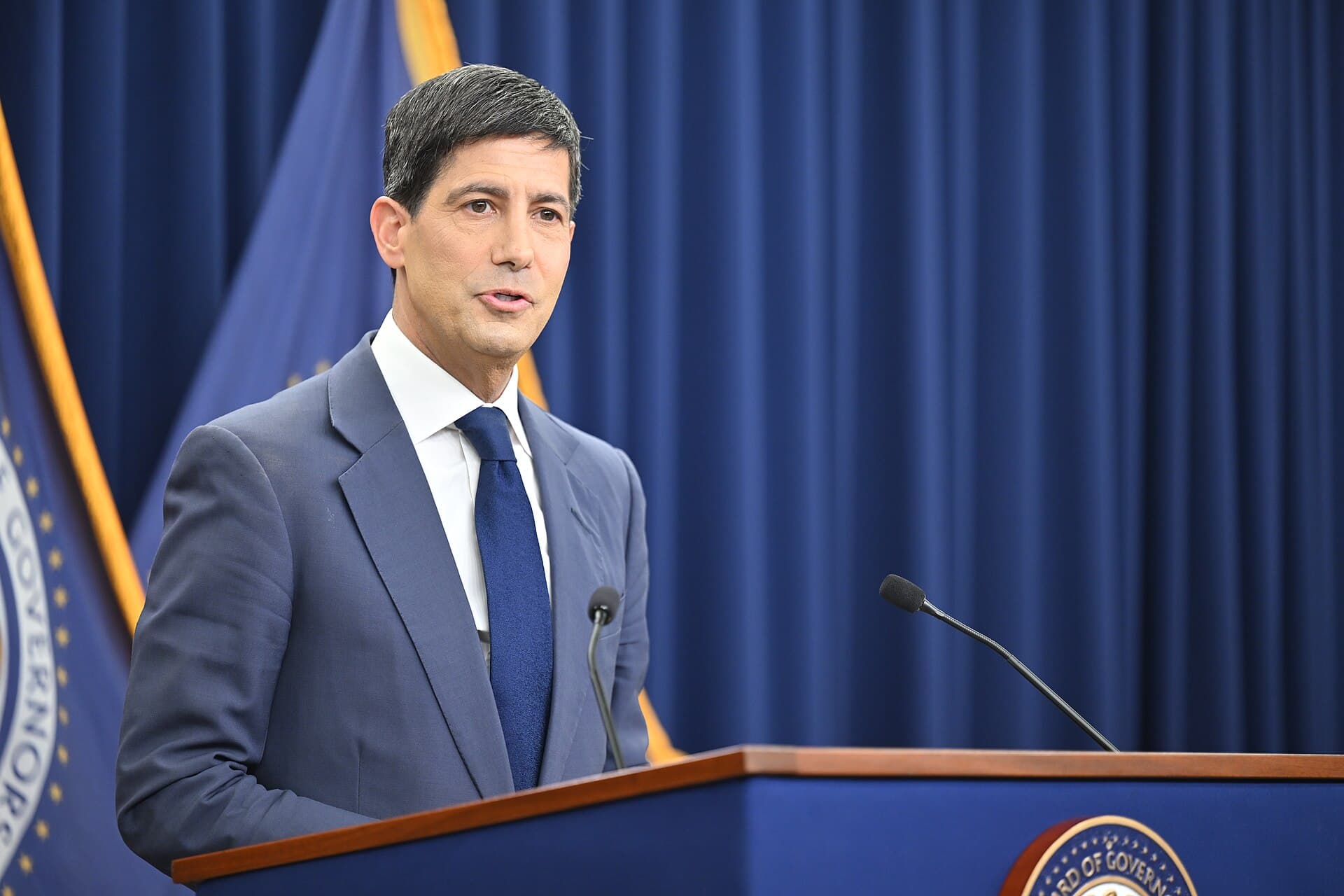
The Federal Reserve is expected to leave its target range at 3.75%-4.00% on Wednesday, a pause that would follow September's 25-basis-point increase, the first in more than three years and the first under Chair Kevin Warsh. Futures markets put the odds of a hold at nearly 90%, according to the CME Group's FedWatch Tool, with the decision due at 2:00 PM ET and Warsh's press conference at 2:30 PM ET.
The pause would land six days before US midterm elections, a timing that has reinforced expectations that policymakers will avoid a significant move. But traders are pricing an 83% probability of a hike in December, and September inflation came in higher than expected. The Consumer Price Index rose 3.7% annually, with core CPI at 2.6%, up 0.3 percentage points from August; both remain above the Fed's 2% target.
Gold slipped as the decision approached. Spot gold fell 0.7% to $4,030.20 an ounce by 0602 GMT, while US December gold futures dropped 0.8% to $4,043, after a gain of about 1% in the previous session. Rising crude prices have fed inflation concerns, weighing on a non-yielding asset whose outlook hinges on the rate path.
The Treasury market is watching too. The benchmark 10-year yield has risen 84 basis points in 2026, on track for its biggest annual increase since 2022, while 30-year yields are up nearly 50 basis points, their largest annual rise since 2024. Persistent inflation, heavier government borrowing and questions over AI-related investment have all weighed on sentiment, Token Times reported.
The labour market complicates the picture: layoffs sit near their lowest levels since the late 1960s, yet job seekers are finding work harder to secure. A further increase could add pressure on hiring. "For Indian equities, the direction of US bond yields and the dollar will be important transmission channels," said Thomas J Priju, portfolio manager at Karma Capital, adding that a hawkish stance could tighten global financial conditions and weigh on emerging-market flows. The European Central Bank and Bank of Japan report later this week.