Pakistan approves tax-neutral bonded policy for Saudi oil reserves
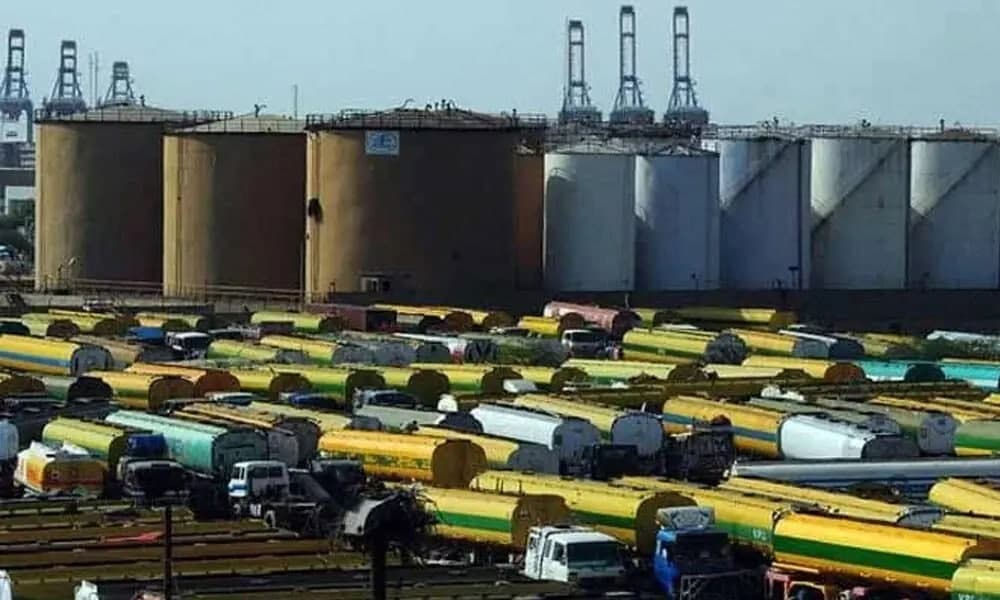
Pakistan has approved a tax-neutral bonded policy that allows Saudi companies to establish commercial oil reserves without local tax liabilities, aiming to attract foreign investment and strengthen its position as a regional energy hub.
The policy was discussed during a meeting between Petroleum Minister Ali Pervaiz Malik and Saudi Ambassador Dr Rajeh bin Tami Al-Baqami, focusing on cooperation in oil storage, refinery upgrades, LPG supplies and energy-sector investment. Malik also highlighted plans for a major petroleum storage and refining complex at Hub, Balochistan, designed to accommodate very large crude carriers and serve regional markets, including Central Asia and China.
Both sides discussed increasing crude oil purchases from Saudi Arabia and arranging dedicated LPG shipments to meet Pakistan's energy needs. Malik also invited Saudi Vice Minister of Mining Khalid Al-Mudaifer to attend the Pakistan Minerals Investment Forum in Islamabad on 12–13 November.
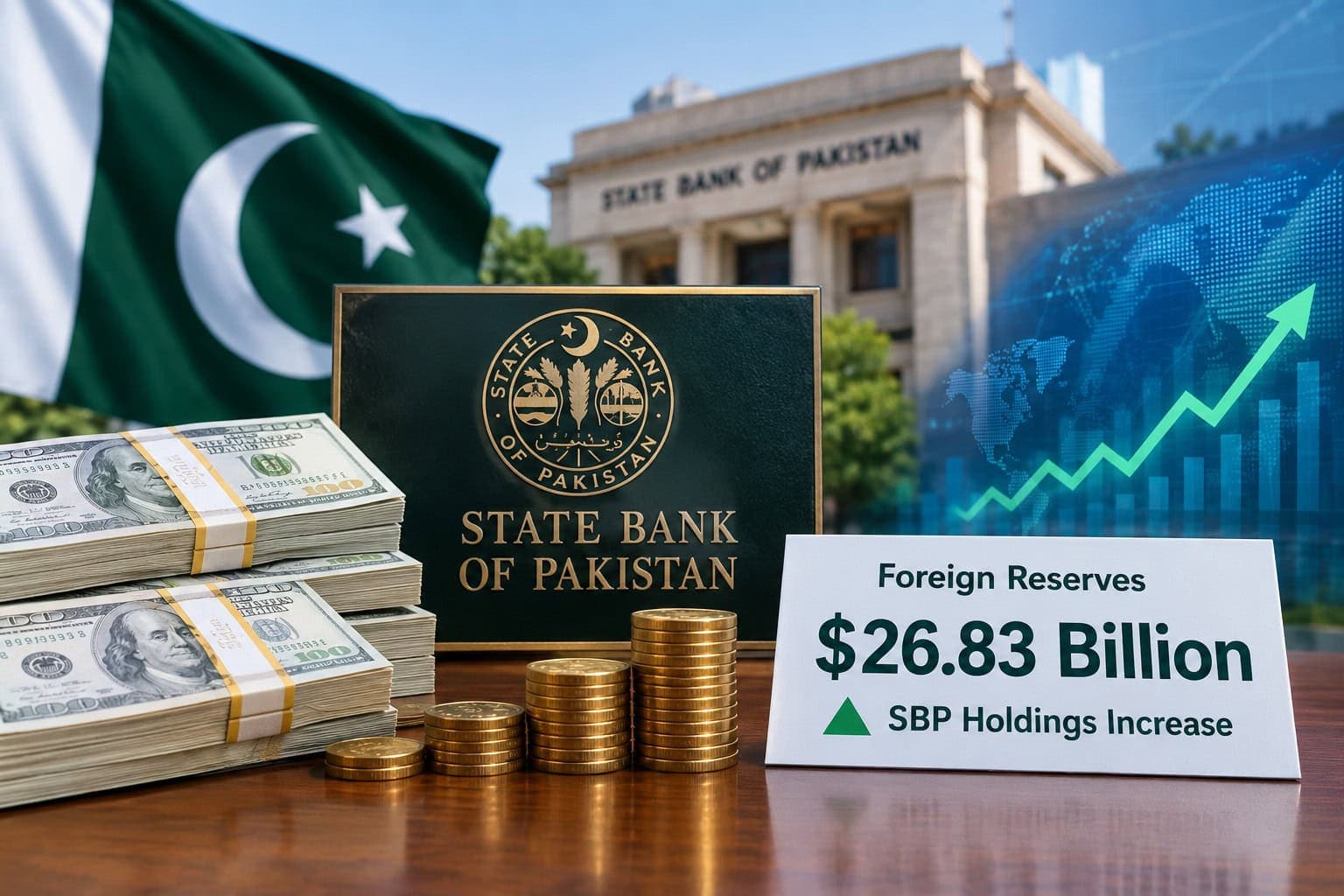
Pakistan's foreign exchange reserves reached $26.75 billion as State Bank of Pakistan holdings rose, according to Token Times. The reserves give Islamabad more room to support energy import deals and the infrastructure that would sit alongside them.
For readers watching Pakistan's investment story, the bonded policy is the concrete piece: a tax structure designed to pull Saudi capital into storage and refining capacity, with the Hub complex as the long-term anchor.