foodpanda to put Raast QR codes at the doorstep by 2027
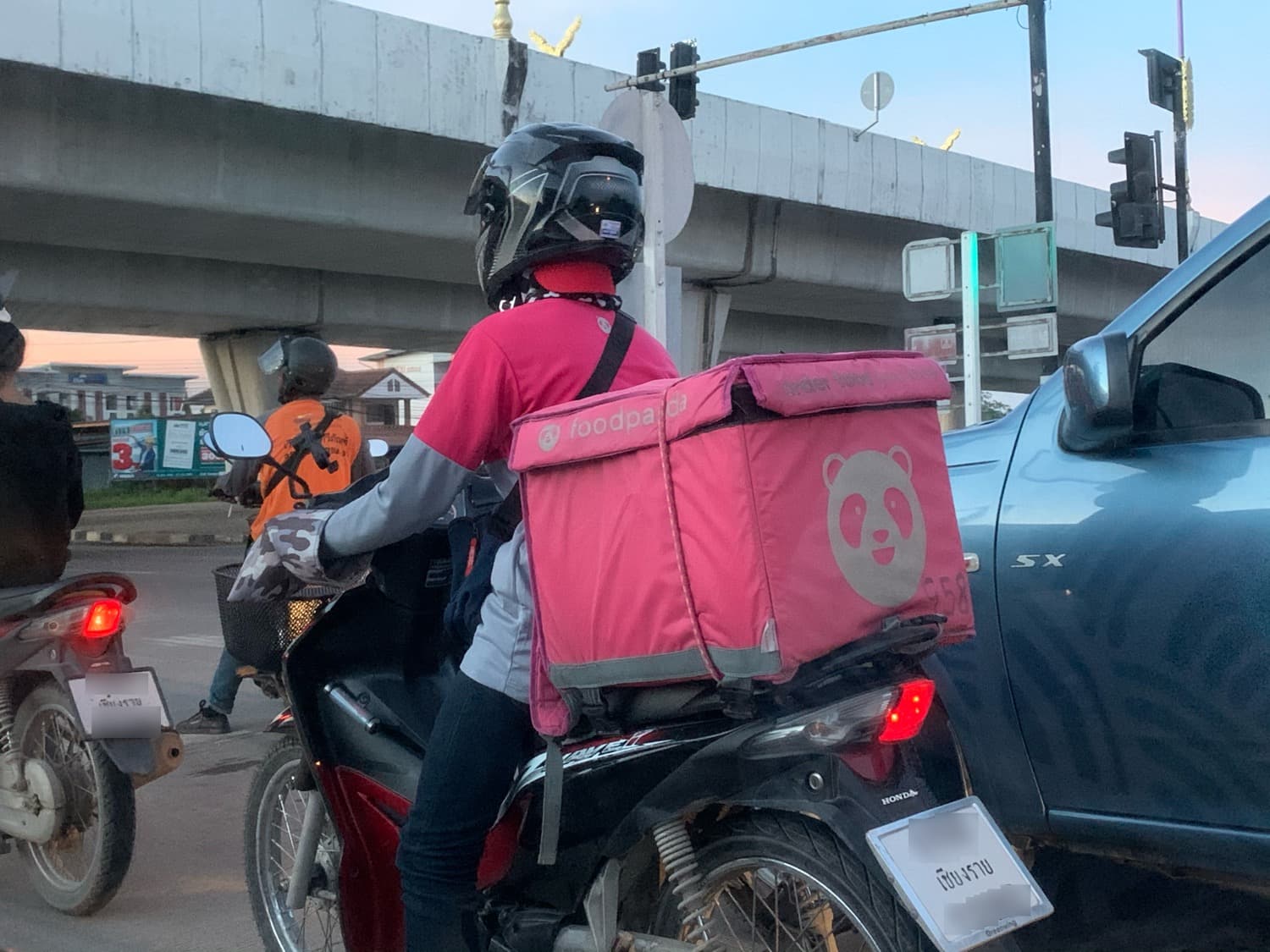
foodpanda plans to introduce Raast QR payments at the doorstep by 2027, targeting the customers who still hand over cash when their order arrives. About half of its food delivery and pandamart grocery orders are now paid digitally, the platform said, up from just two to three percent when it launched in Pakistan in 2016.
The State Bank of Pakistan's annual report on payment systems for FY26 shows how far the country has moved: digital channels carried 92 percent of retail payments, up from 88 percent a year earlier, with 13.2 billion of 14.3 billion retail transactions processed through banks and wallets going digital. Mobile app-based payments, spanning bank apps, branchless banking and electronic money institutions, exceeded 11.1 billion transactions, up 79 percent.
foodpanda's remaining cash base is the hard part. Many shoppers prefer to pay only after the order arrives, so the company is betting on a model that lets riders generate a Raast QR code at the door, preserving that reassurance while enabling instant account-to-account transfers. The initiative has already been tested in the Philippines and Malaysia, foodpanda said. Raast processed roughly 2.76 billion transactions worth Rs80.05 trillion in FY26, more than double the 1.28 billion recorded a year earlier, according to the SBP report. Person-to-merchant payments climbed to 86 million in April-June 2026 from 55.9 million in the preceding quarter.
The shift is demographic. Up to 80 percent of foodpanda's users are aged 18 to 35, a segment the company says prioritises speed and friction-free checkouts over handling cash. Digital wallets and bank cards are its fastest-growing payment channels. foodpanda said industry trends show digital payers order about 2.2 times as frequently as cash-on-delivery customers and spend roughly twice as much. The company declined to disclose user retention metrics, year-on-year digital payment growth figures, and the exact split between cards and wallets, citing corporate policy.
foodpanda said it does not operate with a fixed percentage target for digital payment adoption, focusing instead on expanding payment options and working with banks and fintechs to improve transaction success rates, framing these efforts as supporting the SBP's National Financial Inclusion Strategy 2024-28. For partner banks, it argued the commercial value extends beyond short-term promotions: embedding cards into high-frequency categories such as food, groceries and everyday essentials helps lenders drive card activation and strengthen top-of-wallet preference. The SBP's point-of-sale network has expanded to 337,791 terminals across 295,367 merchant locations, with daily card payments rising to nearly 1.5 million from 1.0 million a year earlier.