
Pakistan's Afghan border closure costs $1.25bn in lost exports a year
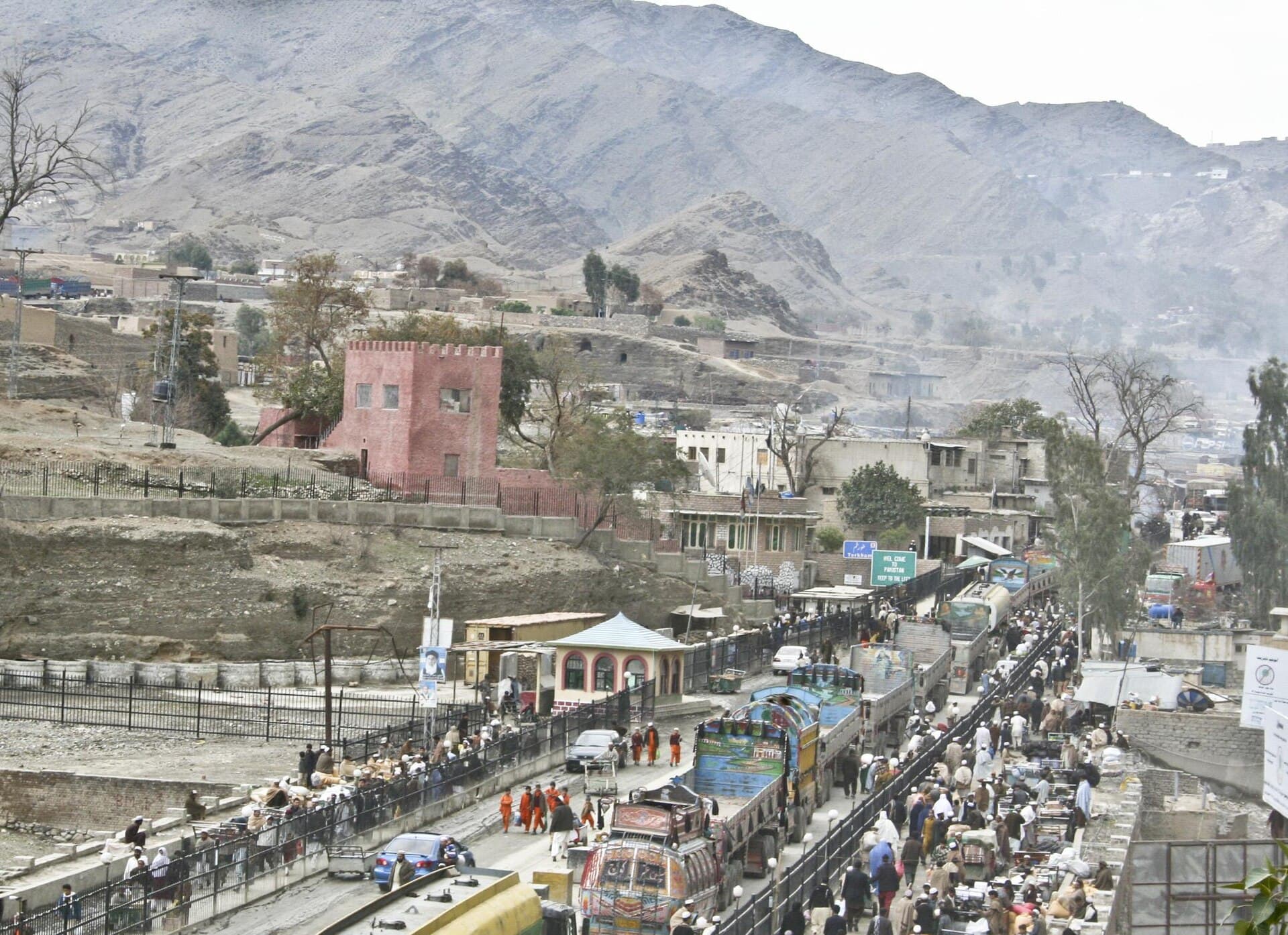
Pakistan's exports to Afghanistan have fallen by about $1.25 billion a year since the crossings closed in October 2025, with the products that depended on that market losing 72-75% of their total sales. Sugar, rice, potatoes, cement and medicines led the decline, and food products alone accounted for $757 million of the drop, according to an analysis by the head of policy for trade, investment and industrial cooperation at the Centre of Excellence for CPEC at the Pakistan Institute of Development Economics.
Exports to Afghanistan were $1.39 billion in 2024-25, or 4.3% of Pakistan's total exports. They fell to $364 million in 2025-26, almost all of it shipped before the closure. Relative to other products, these exports dropped by more than 80% in the first quarter after the crossings shut and by more than 90% once the US-Iran war disrupted the second western route through Taftan. Prices held in other destinations, so the loss fell on volumes, and the burden landed on growers, mills and the transport and clearing businesses of Khyber-Pakhtunkhwa and Balochistan.
The damage runs both ways. Pakistan lost about $750 million a year of cotton, vegetables, fruit and coal from Afghanistan, and other sources replaced only about a third of it. Imports from Central Asia, which travel through Afghanistan, fell 87%, while transit through Pakistan to Uzbekistan dropped from $244 million in 2024-25 to $30 million in 2025-26. Afghan transit trade through Karachi had already fallen from $6.8 billion in 2022-23 to about $1 billion in 2024-25 as importers shifted to Iranian ports.
Competitors are filling the gap. Uzbekistan, Kyrgyzstan, China and Turkiye have expanded exports to Afghanistan in exactly the products Pakistan used to sell, though together they have replaced only about a fifth of the lost sales. India has become a larger buyer of Afghanistan's own exports. The analysis argues that tracking trucks, bank guarantees and exit verification at the border could address transit leakage, and that currency smuggling belongs to border control and the exchange market, rather than a full closure that stops legitimate trade while informal trade likely continues.
With trade across the eastern border with India suspended since 2019, the analysis warns Pakistan risks cutting itself off by land on two sides. It calls for a transit agreement that keeps cargo moving during bilateral disputes and binds Afghanistan as the transit country, at least two working routes, and support for exporters to find buyers in the Gulf, the one market that absorbed some diverted trade. Interest in Central Asia is rising: on October 19, 2026, the US secretary of state met the foreign ministers of the five Central Asian states in Samarkand in the C5+1 format, with a planned delegation of more than 100 American companies and transport infrastructure on the agenda.

