IMF lifts South Korea's 2026 growth forecast to 3.9% on AI chip boom

South Korea's economy will grow 3.9 percent this year, the International Monetary Fund now projects, a 0.6 percentage point upgrade from its October forecast as the global artificial intelligence boom drives semiconductor exports.
The fund also raised its 2027 estimate to 3.3 percent from 2.8 percent after consultations with Korean authorities that began on November 3. The revision caps a run of upgrades: the IMF forecast 1.9 percent in April, 2.6 percent in July and 3.3 percent in October. Its latest figure sits above the OECD's 3.7 percent for 2026, the Bank of Korea's 3.3 percent and the government's 3.0 percent.
Surging technology exports, a rebound in investment and resilient consumption are expected to lift growth from 1.1 percent in 2025, with technology-sector income gains supporting consumption next year. But Corinne Delechat, who led the IMF mission to Korea, said the benefits would arrive unevenly, noting that gains have so far been largely concentrated in the technology sector and will only gradually spill over to the broader economy.
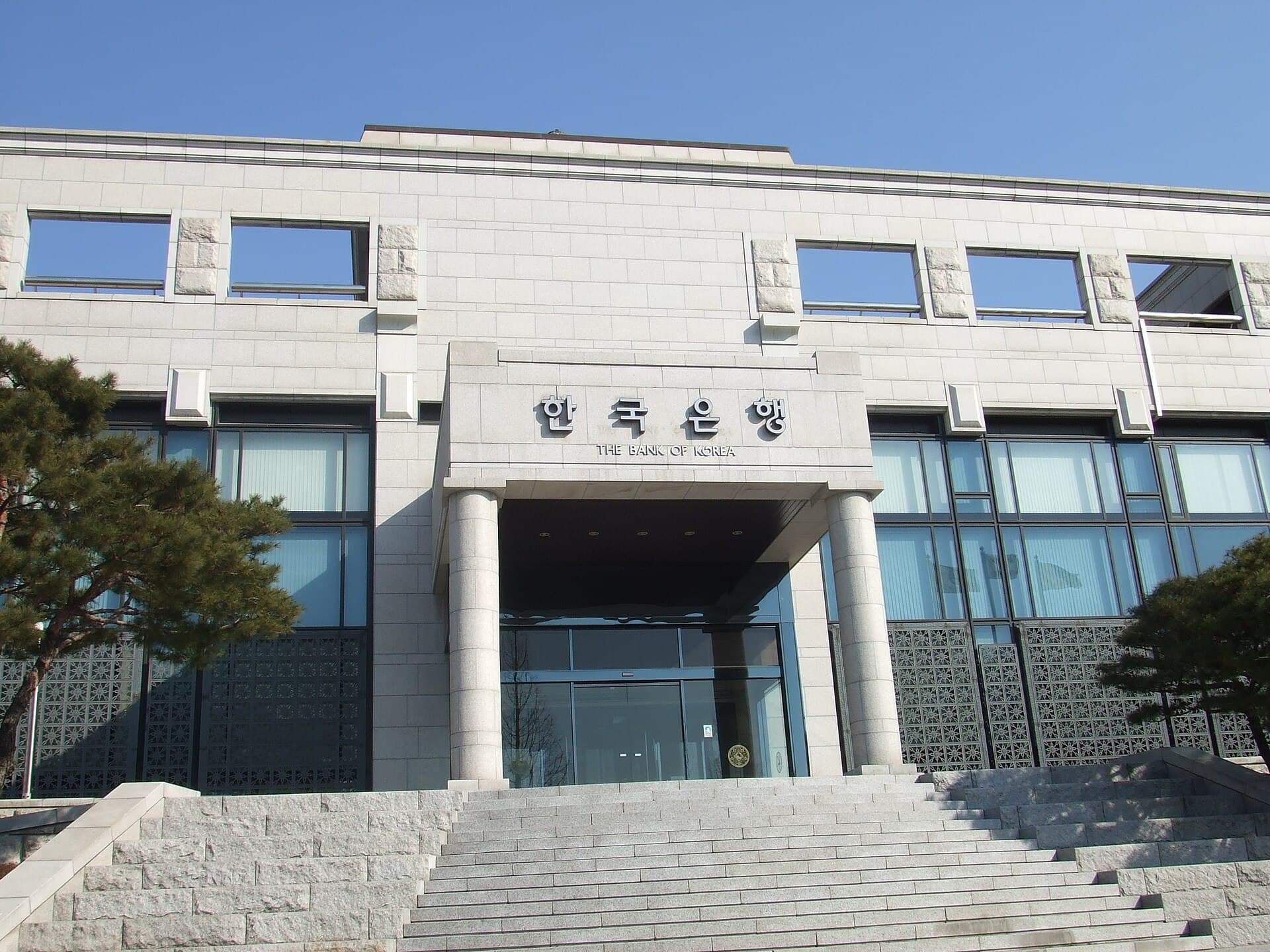
The fund forecast inflation of 2.7 percent this year and 2.3 percent in 2027, above the Bank of Korea's 2 percent target, and said risks to growth are tilted to the downside. It called for tighter monetary and fiscal policy, with Delechat saying further monetary tightening is appropriate to prevent inflationary pressures from becoming entrenched. It also backed targeted support for vulnerable households and businesses and welcomed the new Future Response Fund.
Longer term, the IMF urged Korea to widen its growth base by expanding AI adoption, narrowing wage gaps and lifting productivity outside the Seoul metropolitan area, alongside greater export-market diversification and a continued shift to renewable energy to cushion external shocks.