Hammack: Fed should draft Treasury intervention rules before next market stress

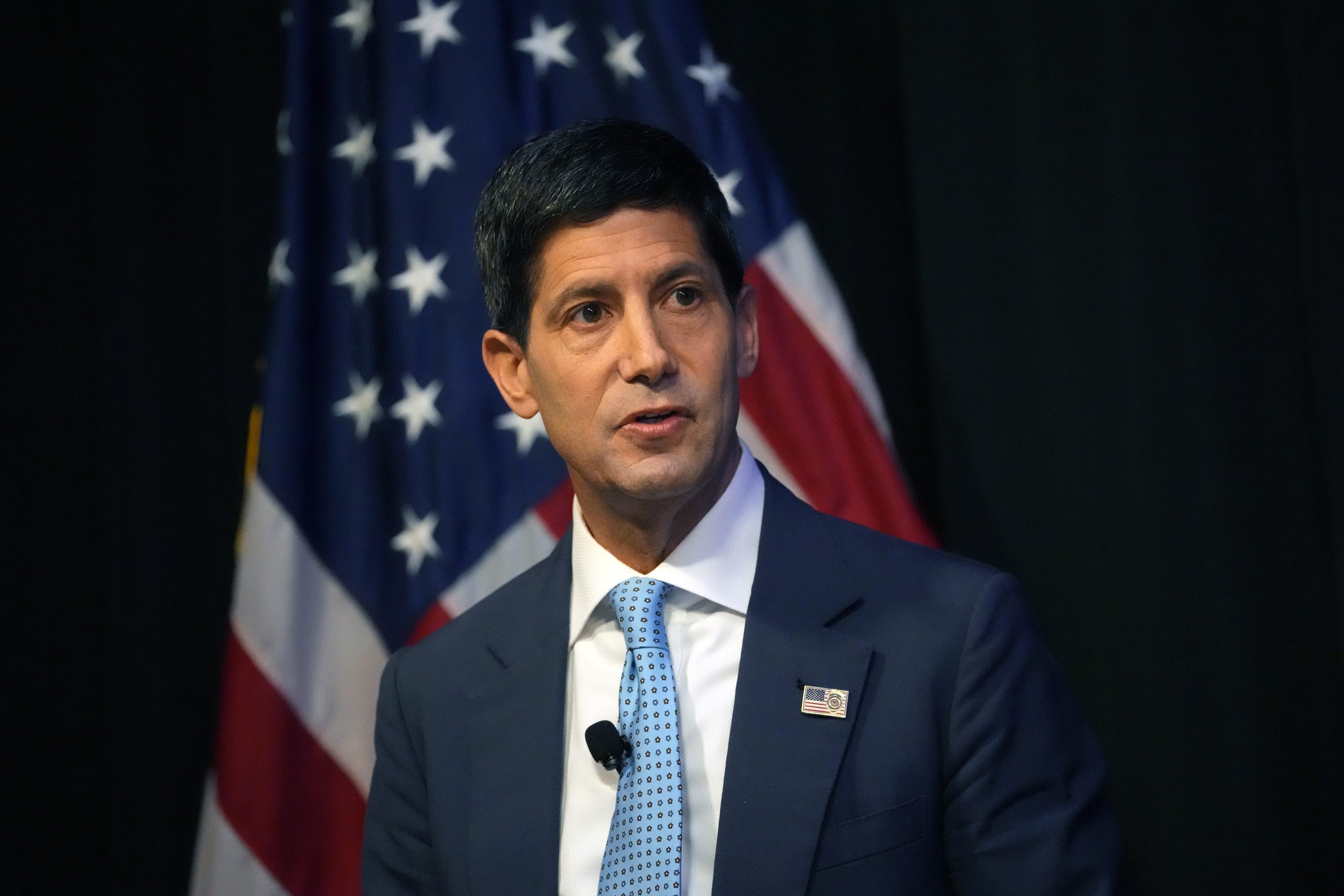
The Federal Reserve should agree now on when and how it would step into the Treasury market during stress, Cleveland Fed President Beth Hammack said, arguing that the next upheaval will leave little time to improvise. Her warning lands on the world's deepest bond market, where dysfunction can spill into borrowing costs far beyond the United States.
In remarks prepared for the Brookings Institution in Washington, Hammack pointed to two recent shocks: March 2020, as the pandemic hit, and April 2025, after President Donald Trump announced an aggressive tariff regime. The aim, she said, is to learn from both to prevent the next one. "When stress hits, there may be very little time to decide what principles to operate under or how to communicate them," she said, adding that it is better to identify the exit routes on entry than to draw up an evacuation plan as the building fills with smoke.
She drew a line around when the Fed should act. Where officials judge that market dysfunction could spill into the economy and Fed action could resolve it, "intervention should be considered". But "when poor liquidity conditions in volatile markets reflect fundamentals, it is not a problem the Fed can or should try to solve".
Hammack backed enhancements to the Standing Repo Facility, which lends liquidity to financial institutions against Treasuries, saying its current form might not have been enough at the start of the pandemic. "I doubt repos would have been enough in 2020," she said. "Thus, it may make sense to consider Treasury purchases if repo operations prove insufficient." Any outright purchases should come with communication separating them from monetary policy and an exit plan. "The presumption should be that the action is temporary and targeted, ideally with an exit strategy built in from the start," she said.
Hammack did not address the economic or monetary policy outlook in her prepared remarks. Her comments on the Fed's market stabilisation role largely align with remarks last week by Dallas Fed President Lorie Logan.
What it means for Pakistan: Pakistan's banks, importers and the State Bank price dollar funding off US Treasury yields, so any Fed framework for steadying that market matters for the cost and availability of foreign currency here. A clearer, pre-agreed playbook would reduce the risk of sudden yield swings abroad feeding into rupee pressure and Pakistan's external financing costs, though nothing in Hammack's remarks changes policy today.