Oil jumps as Hormuz mines and Houthi refinery strike revive supply fears

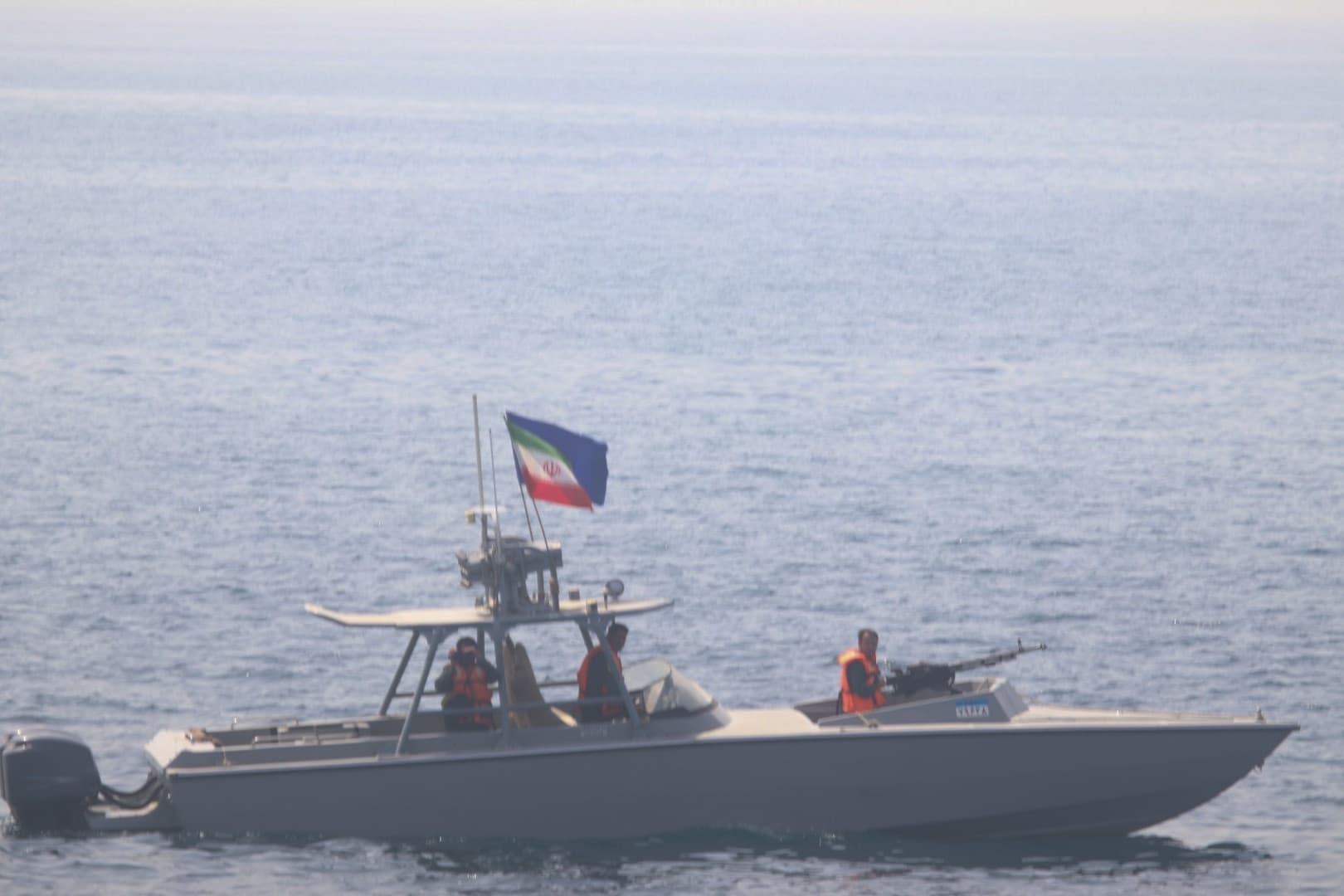
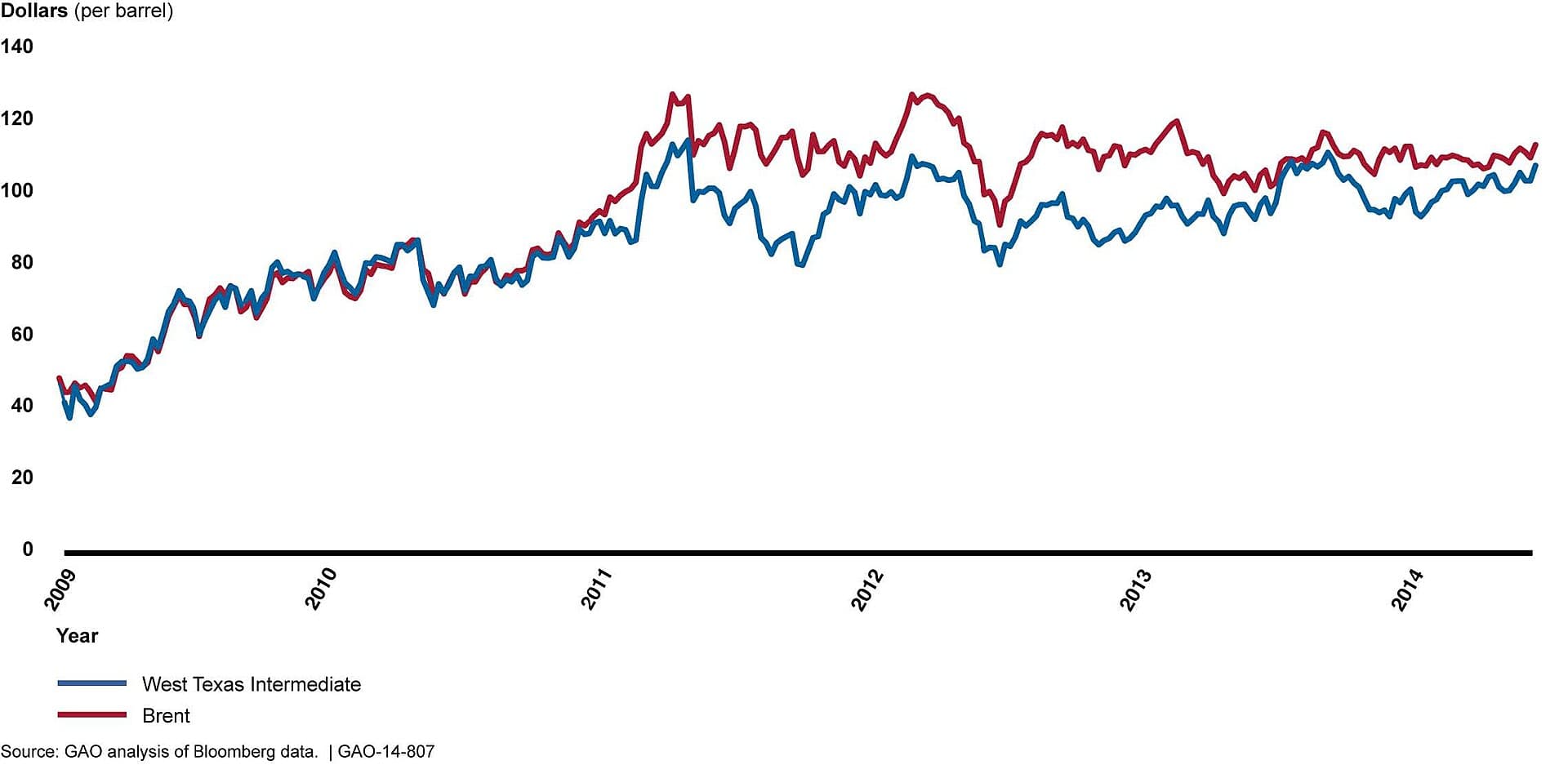
Oil prices climbed almost 2% on Thursday after Iran's Revolutionary Guards said two tankers struck sea mines and caught fire north of Oman's Khasab port while trying to cross the Strait of Hormuz, and Yemen's Houthis said they hit Saudi Arabia's largest refinery. Brent crude futures were up $1.87, or 1.98%, at $96.48 a barrel by 12:41 p.m. ET (1741 GMT), while US West Texas Intermediate rose $1.03, or 1.23%, to $84.71. There was no WTI settlement because of the US Thanksgiving holiday.
The Guards said one of the vessels was a supertanker carrying more than 2 million barrels of crude. The Houthis said they attacked the Ras Tanura refinery, part of a complex that also serves as a major export terminal for Saudi crude. The Saudi government and state oil company Aramco did not respond to requests for comment. "We're rebounding a little bit on concerns about geopolitical factors going into the weekend. This is keeping the market on edge into the (Thanksgiving) holiday," said Phil Flynn, senior analyst at Price Futures Group.
Brent had settled up 3.5% and WTI 2% in the previous session after the Iran-aligned Houthis said they attacked Ras Tanura and Riyadh's financial district. "The broadening of the Middle East conflict threatens to halt the recovery in oil flows," said ANZ analyst Daniel Hynes. Morgan Stanley analysts put an initial estimate of last week's Middle East crude exports, including non-Hormuz routes, at 15.3 million barrels per day.
US crude stocks rose by 1.1 million barrels to 418.9 million barrels in the week ended November 20, the Energy Information Administration said, short of the 1.5 million-barrel build analysts had expected, which lent prices support. Thailand's Bangchak Corp said it shut all production units at its Phra Khanong refinery in Bangkok after a fire, and a drone attack sparked a fire at the Slavyansk ECO refinery in Russia's southern Krasnodar region.
OPEC+ ministers meet on Sunday to decide 2027 output policy, balancing supply against the United Arab Emirates no longer being in the group and pressure from Iraq and Kazakhstan to raise their production capacity estimates. Two people with knowledge of the matter said the group may roll over current targets for at least the first quarter of 2027.