Stablecoins move from pilot to plumbing, and Pakistan is not yet in the room
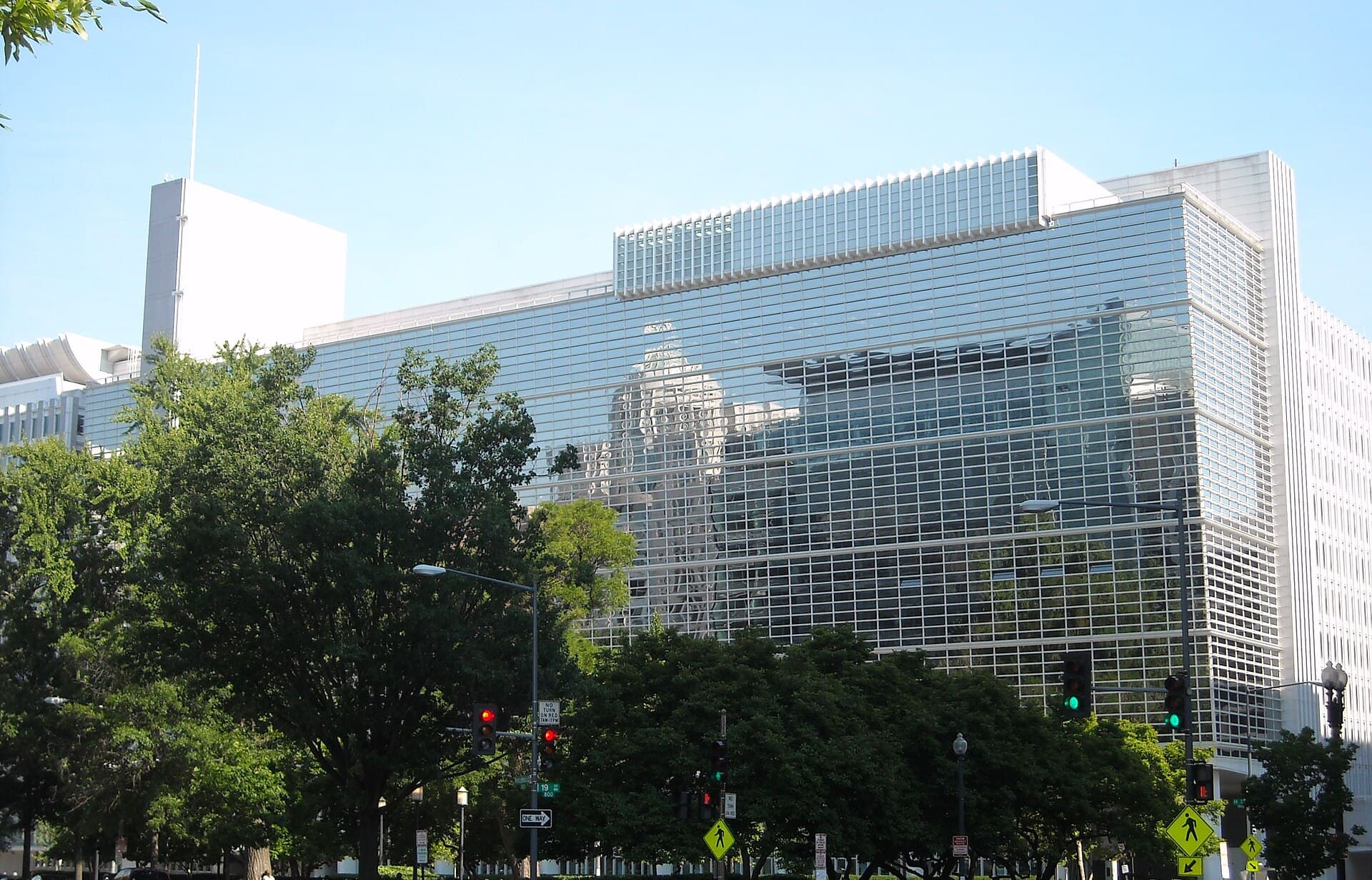
The past week's news on stablecoins is less about tokens than about plumbing. The World Bank said it would work with Citi and Circle to explore settling development payments in USDC, with Citi providing links to established banking networks and Circle issuing and settling the token. Visa launched a second phase of its agentic commerce programme across Asia-Pacific, pairing its work on tokenisation and authentication with stablecoin-powered money movement. Codex raised $30m in Series A funding at a $130m post-money valuation to expand stablecoin foreign exchange, saying its annualised transaction volume reached about $25bn. Invesco, meanwhile, put part of the reserve backing for stablecoin issuers on Ethereum through a fund with a $1 million standard initial minimum. Each is a different layer of the same stack: settlement, acceptance, FX and reserves.
The comparison worth drawing is between wholesale and retail. Singapore's central bank drew the line explicitly: it views crypto as unsuitable for retail investors but sees significant benefits in tokenised financial assets for wholesale markets, and its managing director said scaling tokenised assets requires commercially compelling use cases, trusted digital money and interoperable infrastructure. The World Bank's proposal is similarly cautious, engaging only borrower countries where digital assets are supported and permitted, with an intermediary-based model and no launch date or list of borrowers. What is known is that institutions are testing; what is not is whether any of these routes reach the recipients of the money, since the World Bank has left open where USDC would enter the payment chain and how tokens would be converted to local currency.
The Codex numbers are the clearest signal of where demand is coming from. The company attributes roughly tenfold volume growth to stablecoins being used for international payments, especially across emerging economies where conventional banking remains expensive and slow, and its chief executive said stablecoins are "fundamentally better infrastructure for much of the emerging world". That is a commercial claim from a beneficiary of the trend, not an independent finding, and the material gives no country-level breakdown. But it is consistent with the pattern in the other reports: the infrastructure being funded is cross-border, round-the-clock and aimed at corridors where correspondent banking is costly.
For Pakistan, that is the relevant frame. The material does not say whether any of these providers serve Pakistani customers, whether Pakistani banks are involved in any pilot, or what the State Bank of Pakistan's position on stablecoin settlement is. None of that can be asserted here. What can be said is that the services described are the kind that compete with the correspondent-banking routes on which remittances and trade payments depend, and that Codex's stated rationale - cost and speed in emerging economies - applies to Pakistan's profile as described in general terms, not to any specific Pakistani arrangement.
The compliance side cuts the other way. The Financial Action Task Force cautioned in July 2026 that criminal groups exploit the cross-border reach of virtual assets, and its findings showed illicit funds passing through stablecoins, cross-chain bridges, decentralised exchanges and mixers, where they blend with legitimate activity and become harder to follow and freeze. That is the argument regulators in jurisdictions without a stablecoin regime will hear loudest. It also explains why the private sector is building tracing tools: a Singapore-based firm has launched a graph-based model for financial crime investigation, with blockchain tracing intended to follow funds across linked addresses under human oversight. Whether such tools satisfy a national supervisor is a separate question from whether they work.
The reserve layer carries its own unresolved risk. Invesco's fund holds short-duration US Treasury securities and other eligible reserve assets, but dollar redemptions follow the fund's business-day schedule, with ordinary payment terms allowing up to seven days after a valid request. That leaves issuers to cover same-day customer payouts from elsewhere, and USDC delivery depends on a third-party intermediary's own terms. This suggests the "cash-like" promise of a stablecoin is only as strong as the liquidity standing behind it at the moment of redemption - a point supervisors elsewhere have yet to settle publicly in the material.
Singapore's warning about AI agents adds a second layer. Its central bank said agents have the potential to move money and allocate assets more quickly for smaller incentives, that financial institutions may need limits on agent-instructed transactions, and that it plans a common "know your agent" protocol. It also cautioned against giving personal agents login credentials, citing "insufficient assurance of safety". Visa's agentic programme and Codex's stated plans to automate cross-border foreign exchange both point the same way. For a market weighing whether to permit stablecoin payments at all, agent-initiated transfers raise the supervisory bar rather than lowering it.
What to watch next is concrete. First, whether the World Bank names borrower countries or a launch date, which would show whether the USDC route is a pilot or a programme. Second, whether Visa's Asia-Pacific expansion extends beyond the markets already named, and whether Pakistan appears in any phase. Third, whether any Pakistani institution - a bank, a payment provider or the central bank - comments publicly on stablecoin settlement, licensing or reserve rules; the material contains no such statement. Fourth, whether the FATF findings translate into tighter screening expectations for stablecoin corridors into South Asia. Until those questions are answered, the honest reading is that Pakistan is a large potential market for the infrastructure being built around it, and not yet a participant in building it.