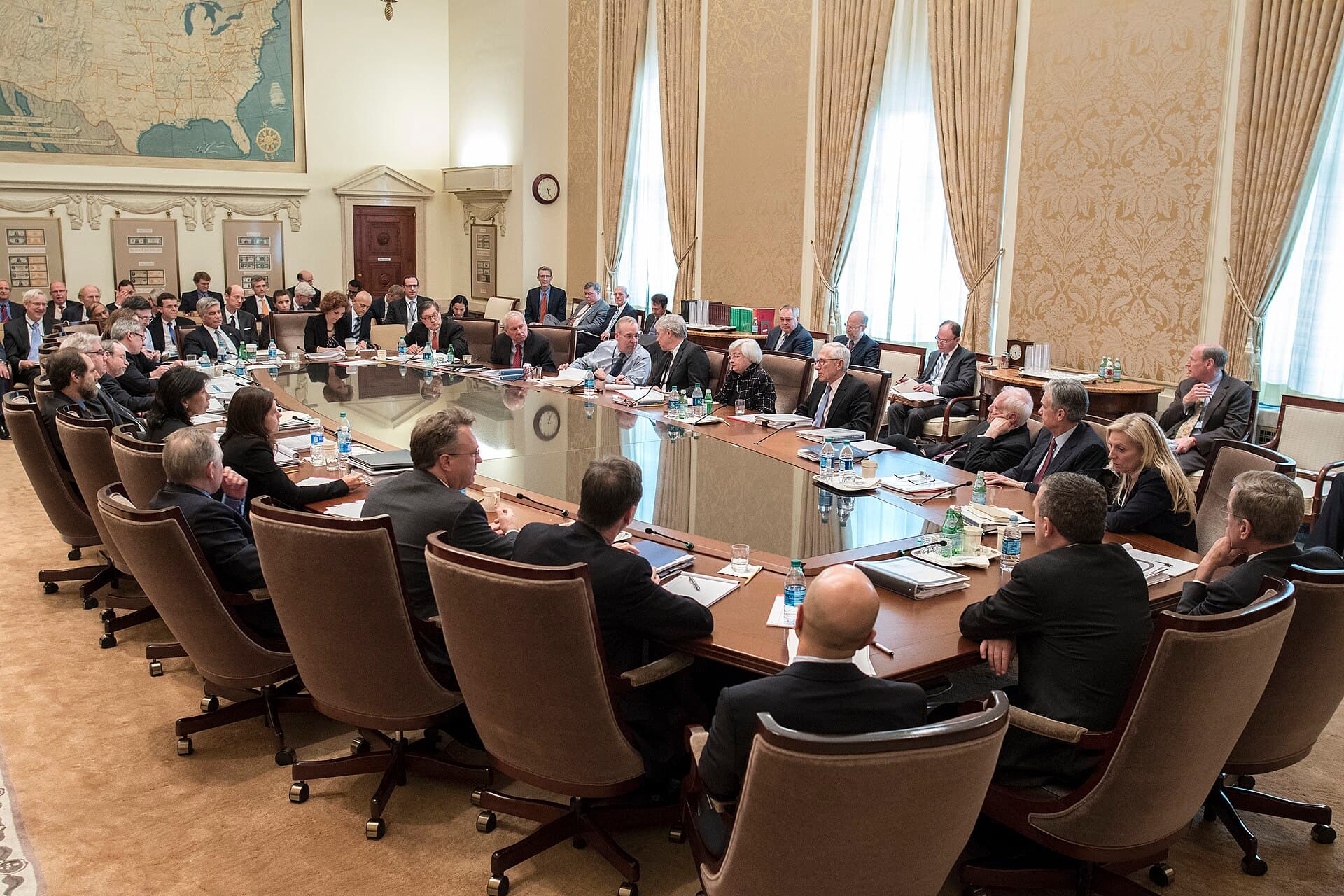
Warsh sets Fed staff to model AI boom, bust and infrastructure attack scenarios
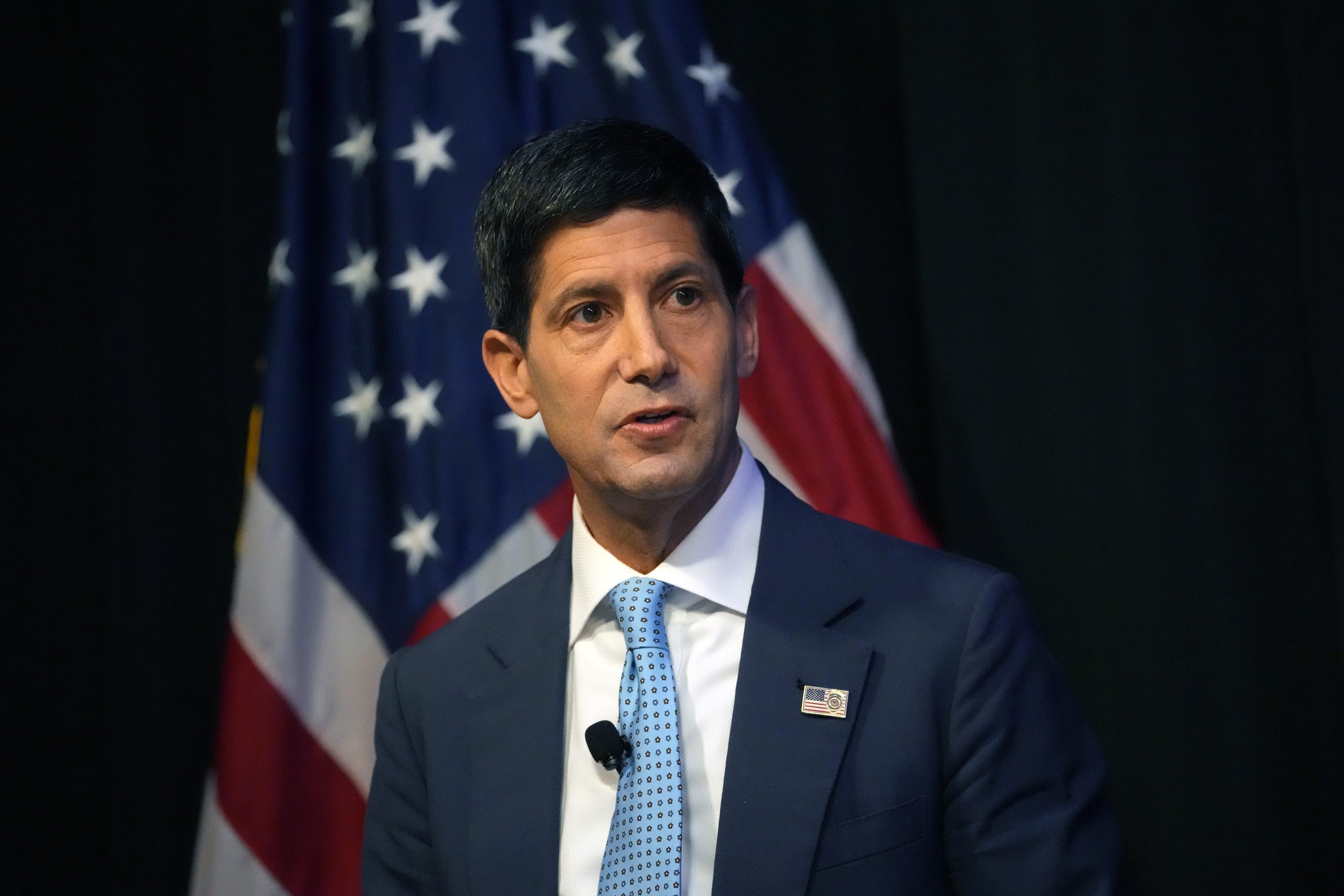
Federal Reserve chairman Kevin Warsh has put the central bank's staff to work on Wall Street-style contingency planning for artificial intelligence, modelling outcomes that range from a sustained growth boom to bad actors attacking critical infrastructure.
Speaking in San Francisco at the Productivity and Jobs Task Force Conference hosted by the Federal Reserve Board and the Federal Reserve Bank of San Francisco, Warsh said the Board's staff "has begun to evaluate various contingencies, applying stylized, model-based frameworks to generate scenarios." He was careful to frame them: "These are illustrative scenarios, not forecasts. Moreover, many other outcomes—probably including one that will prove most accurate—could be drawn."
Warsh set out both sides of the ledger. On the upside, he said superintelligence "leads to an increase in productivity and economic gains that are shared broadly across labor and the owners of capital," with real GDP growth rising persistently above its long-run average and the US staying close to full employment. On the downside, he warned that "SI empowers all, including bad actors, so we are thinking especially of critical infrastructures and their potential vulnerabilities." Widespread automation could raise unemployment, and AI could "disappoint" if expected returns fall flat, slowing the economy.
"As policymakers, we have to be mindful that great opportunities rarely come risk-free," Warsh said. "And the risks in this case, if overlooked, can be highly disruptive and economically costly." He described the aim as "a humble one—to ask the right questions."
The approach echoes Wall Street practice: Warsh is a former Morgan Stanley vice president and executive director, and banks have set up internal war rooms to track shifting policy. He said his goal is a dynamic economy for future generations and "human flourishing," adding: "While I'm not here to offer predictions, I'm not exactly impartial about American leadership in a time so filled with both challenge and possibility."
What it means for Pakistan: The Fed's scenario work matters for Pakistan because US monetary policy sets the tone for global dollar funding, remittances and risk appetite that shape the rupee and Karachi equities. Warsh's warning about AI-enabled attacks on critical infrastructure also bears on Pakistan's own financial and power systems, where the State Bank and PVARA are still building out cyber and digital-asset rules. No Pakistani figure or reaction is claimed here.