Crypto PAC's $1 million couldn't save Huizenga as Democrats take the House
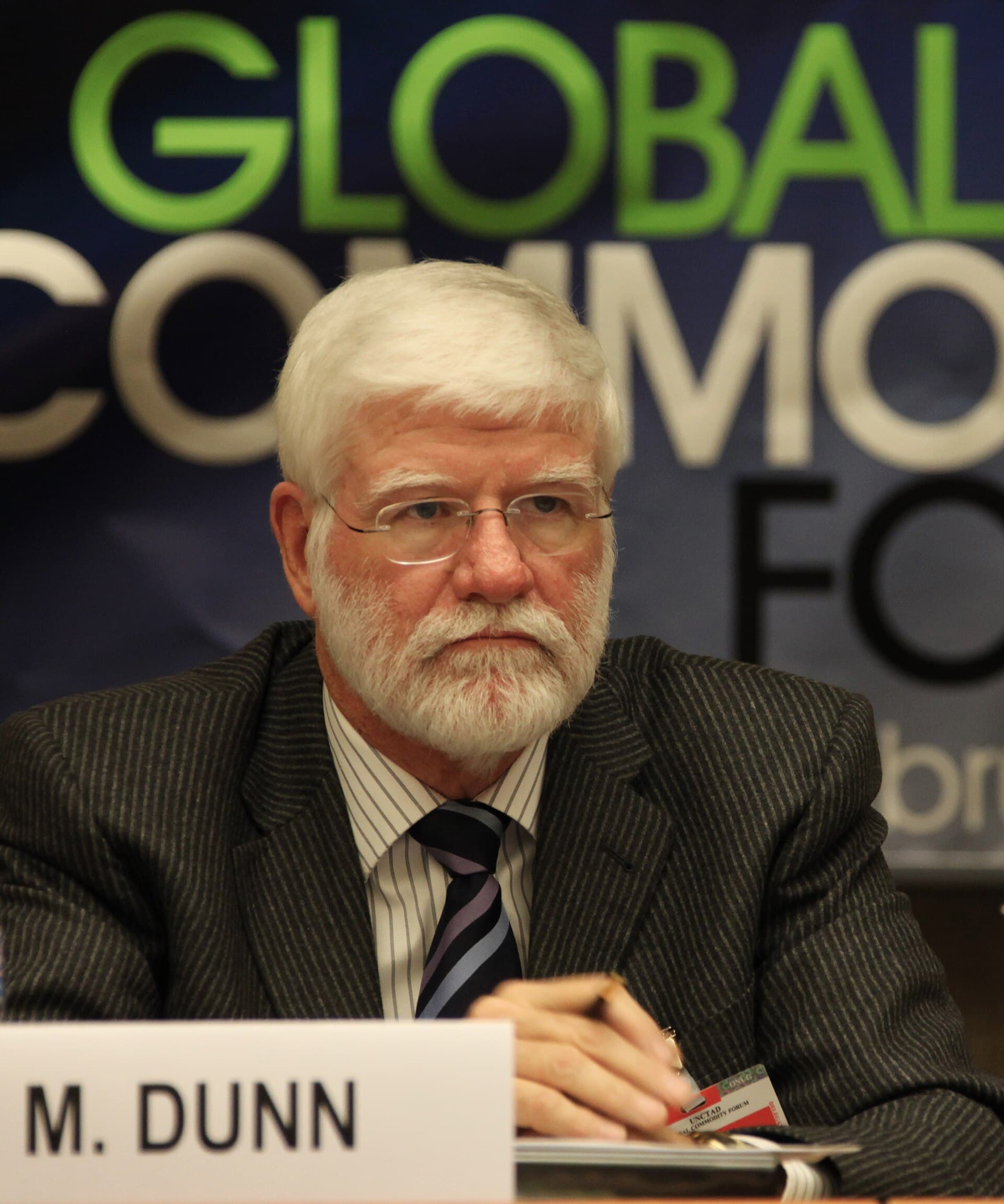
Fairshake put $1,019,166 behind Representative Bill Huizenga's re-election, and he lost anyway. The Associated Press called Michigan's 4th Congressional District for Democrat Sean McCann on Wednesday, with McCann ahead 50.1% to 48.3% — a gap of about 7,000 votes out of nearly 300,000 cast, with more than 97% counted. Huizenga, an eight-term congressman and vice chair of the House Financial Services Committee, is the highest-ranking Republican on the panel to lose his seat.
He is not the only crypto ally on the committee to go down. Representative Bryan Steil of Wisconsin, who chairs the Subcommittee on Digital Assets, Financial Technology and Artificial Intelligence, lost to Democrat Mitchell Berman 52% to 48%, the AP called at 11:48 p.m. Tuesday. Representative Ann Wagner of Missouri, who chairs the capital markets subcommittee, lost to Democrat Fred Wellman; Representative Zach Nunn of Iowa lost to state Senator Sarah Trone Garriott; and Representative Mike Lawler of New York conceded to Democrat Cait Conley before the AP called his race.
Fairshake committed at least $1 million in October to each of six House incumbents, among them Huizenga, Steil and committee chairman French Hill of Arkansas, according to Federal Election Commission filings. All 32 House incumbents the Fairshake network backed this autumn voted for the CLARITY Act when it passed the House 294-134 in July 2025, CNBC reported. The network entered September with about $120.4 million in cash, and crypto groups committed about $176 million to more than 100 races this cycle. In Huizenga's district the crypto money was a small slice: outside groups reported more than $25 million in spending, with House Majority PAC alone putting about $6 million against the Republican.
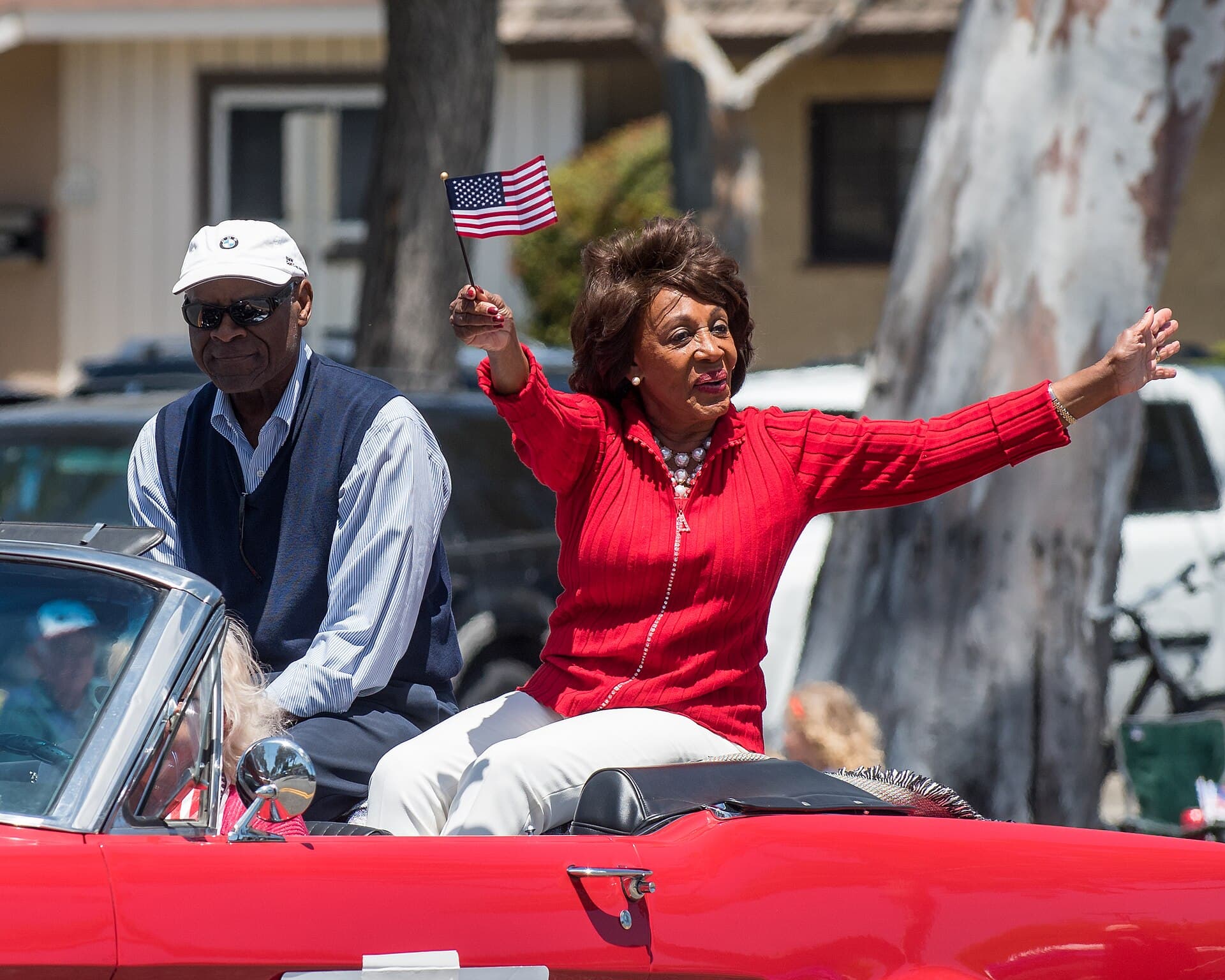
Democrats won control of the House on Tuesday, handing the committee gavel to their side whatever happens to Hill, who led Democrat Chris Jones by about 4,400 votes, or 50.9% to 49.1%, with 99% of the expected vote counted and no AP call as of Wednesday afternoon. Representative Maxine Waters of California, the panel's top Democrat and its chair from 2019 to 2023, is in line to return to the post; nineteen Financial Services Democrats backed her in October against a possible challenge from Representative Sean Casten of Illinois, Politico reported. Steil's defeat leaves the digital assets subcommittee without a chair, and Huizenga sat on that panel too. Journalist Eleanor Terrett noted that the subcommittee's name, scope and membership are set each Congress, so Democrats could rename, re-scope or eliminate it.
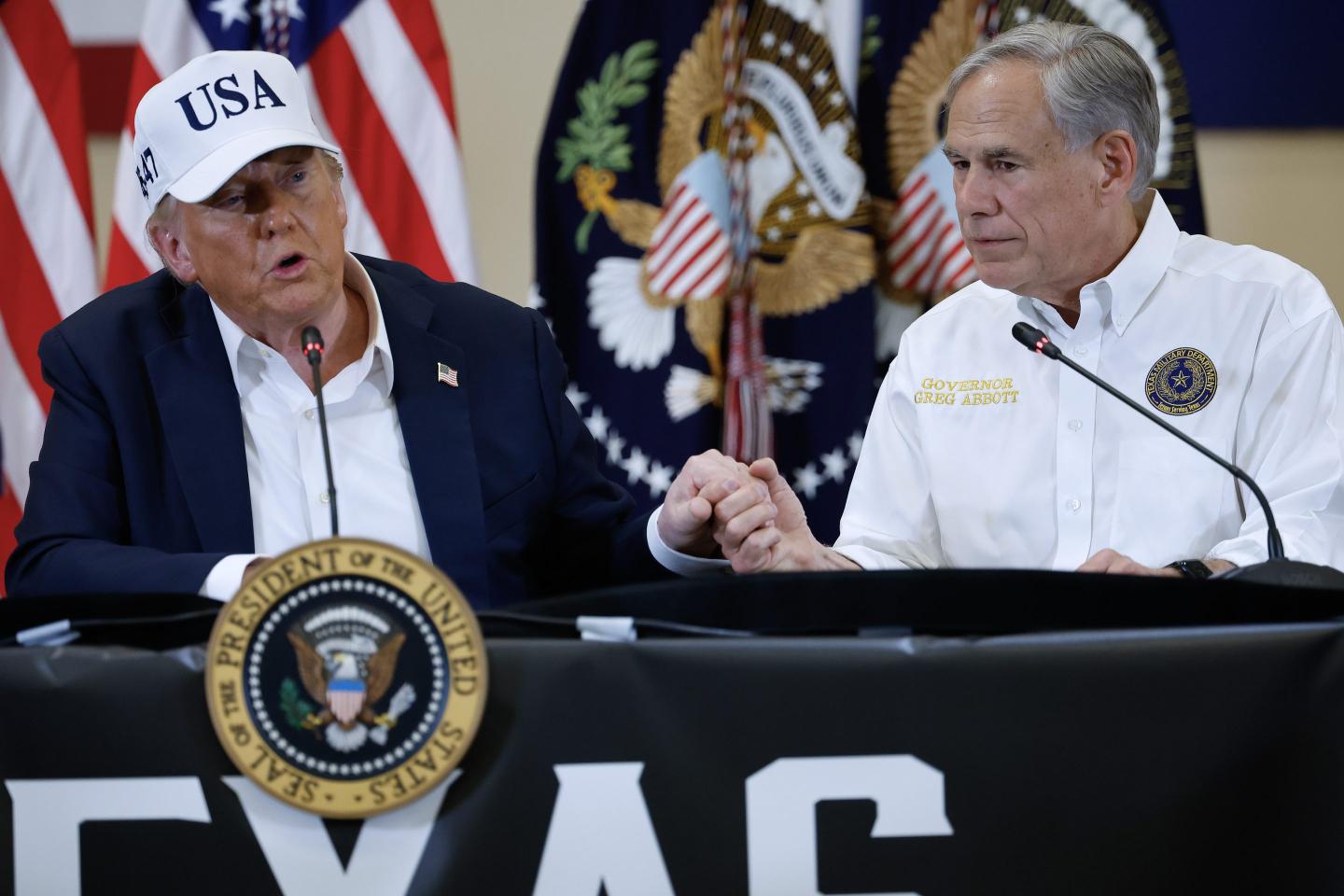
Huizenga helped move the stablecoin bill President Donald Trump signed in 2025 and led the committee's investigations into former SEC chair Gary Gensler during the Biden administration. The industry's main legislative goal remains the CLARITY Act, which failed a Senate cloture vote 49-50 on 15 September. House Democrats are already weighing their own market structure bill with a bigger role for the SEC. Losing Huizenga and Steil removes two Republicans who shaped crypto legislation on the committee, and both seats flip to Democrats — yet bitcoin itself rallied after the Democratic sweep, even as the industry's allies in Congress lost ground.
What it means for Pakistan: The committee that produced the stablecoin and market-structure bills now passes to Democrats who want a larger SEC role, and that matters in Islamabad as much as in Washington. Pakistan's virtual asset framework, built by PVARA and the State Bank, has been drafted with an eye on US and EU precedent, and a slower or reshaped American path to federal crypto law leaves Pakistani regulators leaning more heavily on their own rules and on FATF expectations. For Pakistani exchanges and users watching dollar-denominated stablecoin rules, the practical effect is delay rather than reversal: the CLARITY Act's failure in the Senate already meant no US federal standard this year, and a change of gavel makes one less likely still.