
Lara Resende: cutting Brazil's Selic to 7.5% is the fiscal fix, not austerity
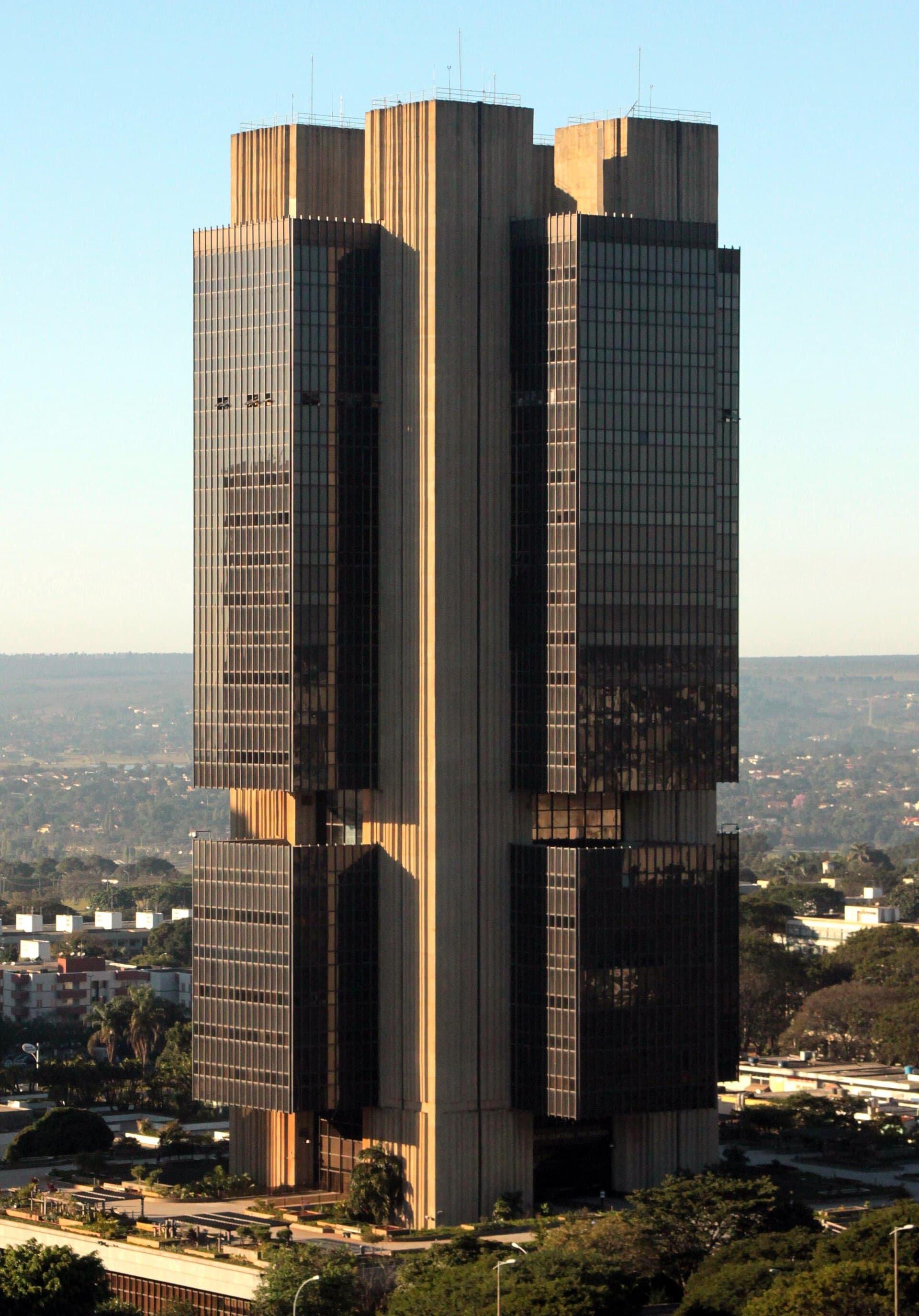
Brazil cannot fix its public accounts by cutting spending alone, because the interest bill on its debt is now so large that it drives the debt ratio upward faster than the economy grows, the economist André Lara Resende has argued in a proposal that has reopened the country's fiscal debate.
Writing in an article titled "Eu Acuso: uma proposta para eliminar os juros absurdos", the economist, one of the architects of the Real Plan, put the average cost of Brazil's debt at 12.68% a year in June. On gross debt of R$10.9 trillion, or 82.5% of GDP, that implies an interest cost of R$1.4 trillion, or 10.5% of GDP a year, he said. Even measured against net debt, the interest bill reaches 8.7% of GDP. With gross debt growing 12.7% a year against nominal GDP growth of about 7%, the debt ratio climbs roughly 5.7 percentage points a year. "It does not take much elaboration to conclude that the situation is unsustainable," Lara Resende wrote.
His answer is a new fiscal and monetary regime overseen by a National Fiscal and Monetary Council, which would set fiscal and inflation targets four to five years ahead. The central bank would commit to keeping the Selic between the inflation target of 3.0% and potential nominal growth, about 5.5% a year today, and would announce a gradual cut over roughly 12 months to potential nominal growth plus a transitional safety spread of 2%, or close to 7.5% a year. That spread would be reviewed periodically and reduced until it disappears. The bank would also stand ready to smooth any sharp depreciation of the currency as carry-trade capital unwinds, which Lara Resende said its reserves of more than US$350 billion allow.
He acknowledged that Brazil spends badly, citing parliamentary amendments, judicial pay perks, earmarked revenues, exemptions and subsidies. But he argued that the debt service is the state's dominant expense and that "everything else is secondary". Because more than half the debt sits in LFTs, floating-rate bonds tied to the Selic, a rate cut feeds through almost immediately, which he cast as an advantage rather than the conventional problem for monetary policy. The fiscal saving of about 4% of GDP a year would build gradually as fixed-rate and inflation-linked bonds are rolled over, he said, adding that no spending adjustment could produce a primary surplus of that size without a deep recession. Cutting the nominal deficit from more than 10% of GDP to around 6% would restore long-term fiscal credibility, he argued. "Interest rates that make the debt explosive are the real threat to fiscal credibility," he wrote.
The proposal has drawn criticism, including from the government's own economic team. The planning ministry's Guilherme Durigan said the idea has "deficiencies" and should not be evaluated yet, according to Token Times. José Sérgio Gabrielli, who coordinated Luiz Inácio Lula da Silva's election programme, backed the approach and called for changes in how fiscal and monetary policy are coordinated, while rejecting cuts to social programmes.