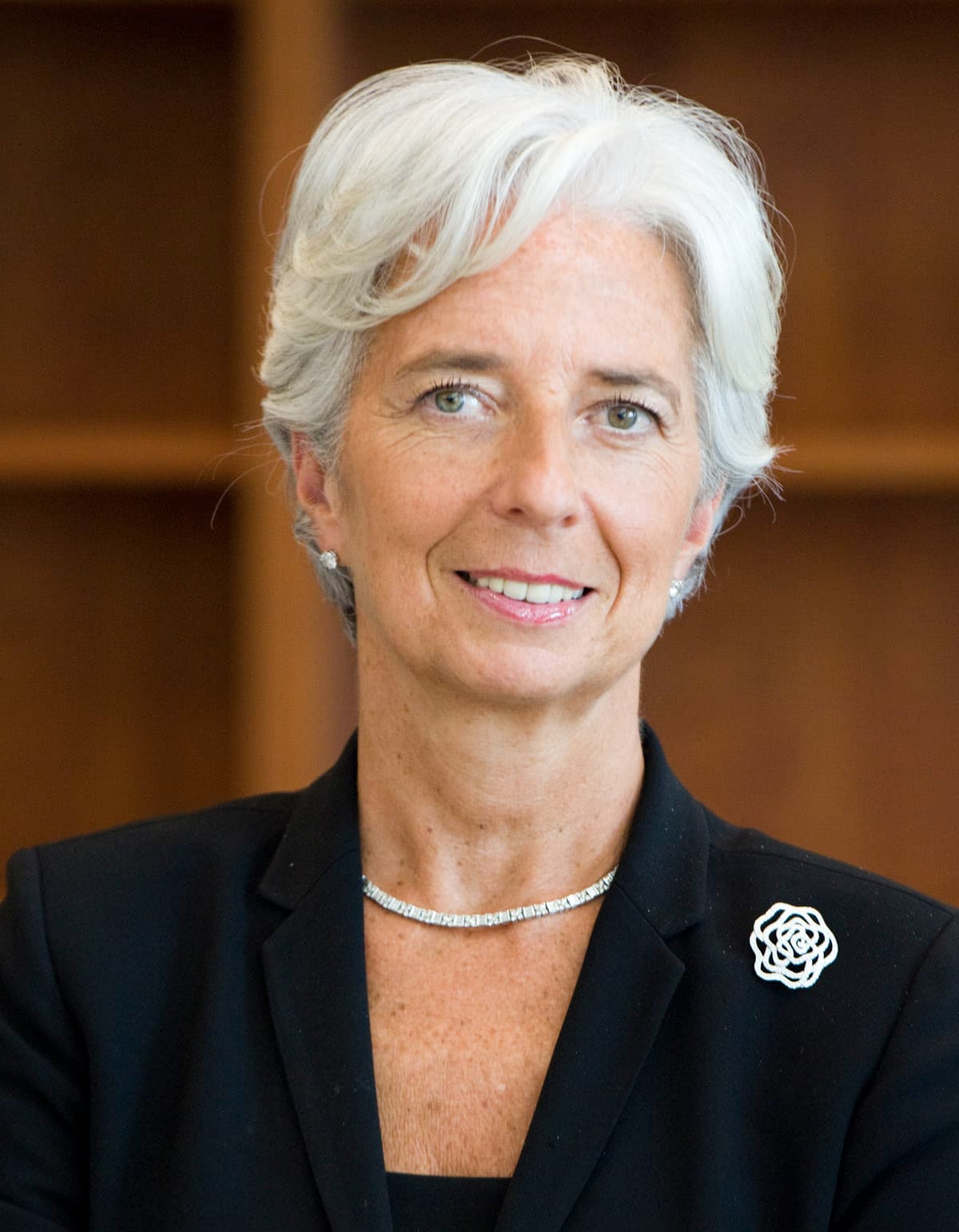
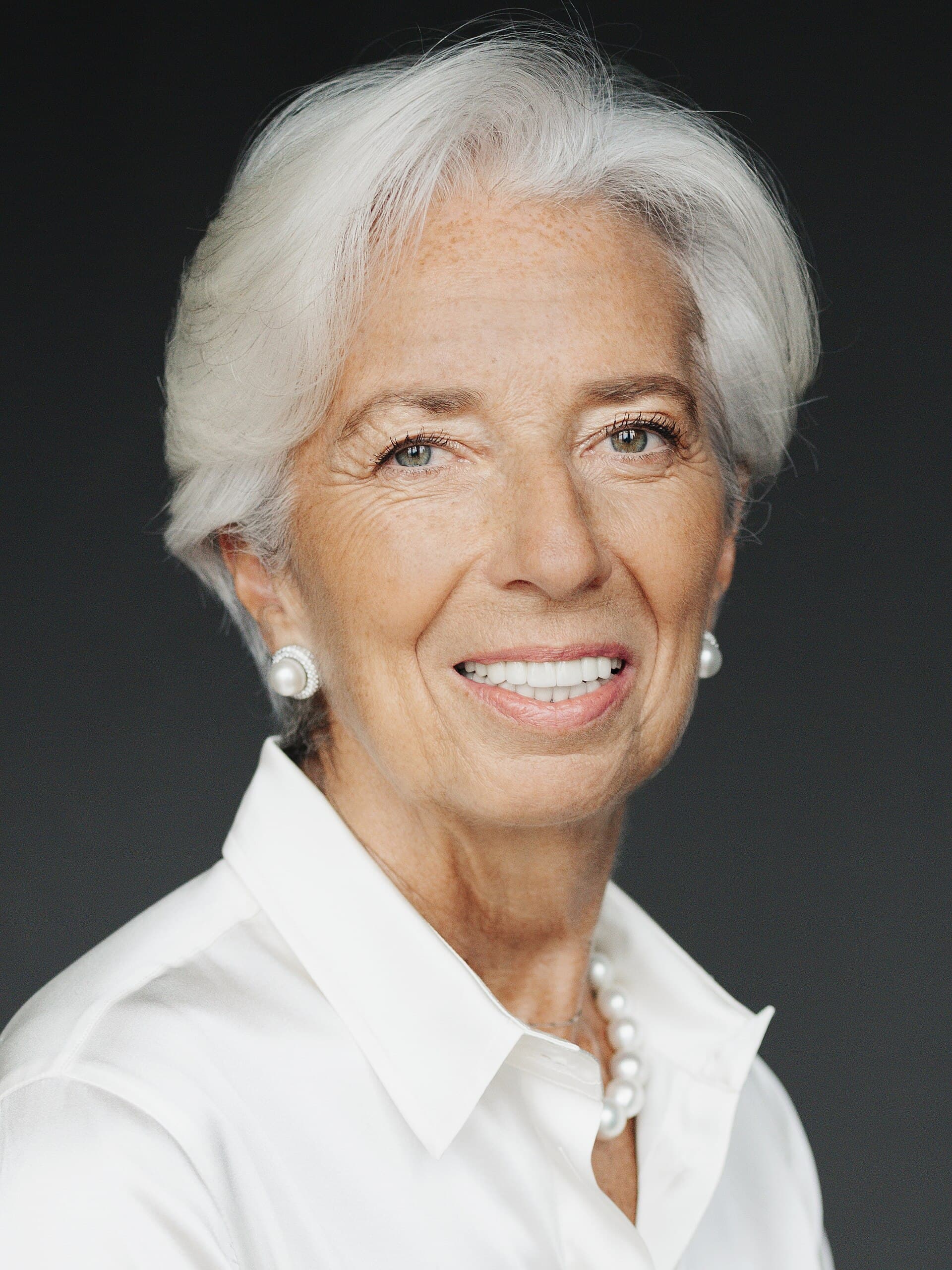
Lagarde to quit ECB on 7 February 2027, as firms report tighter credit
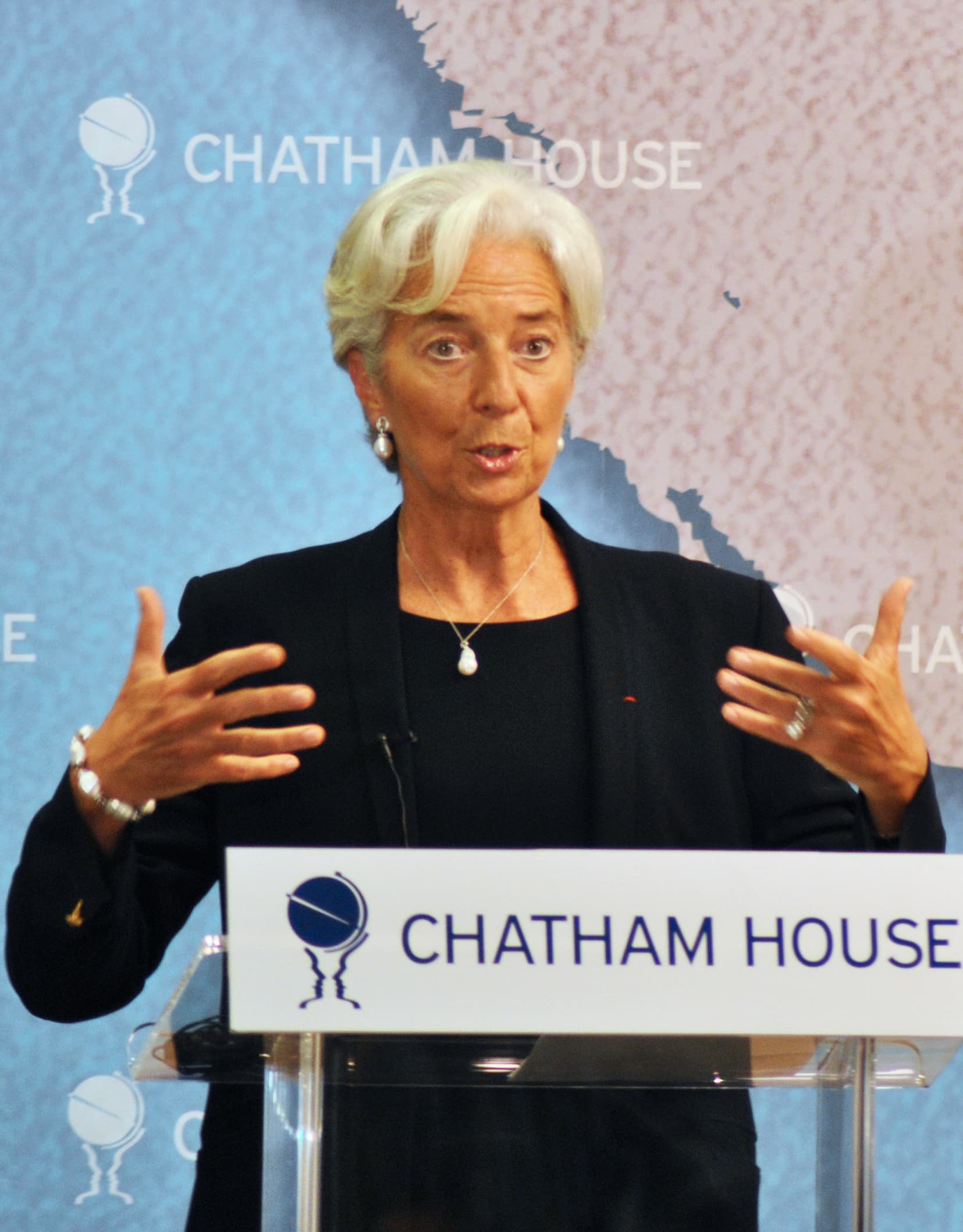
Christine Lagarde will leave the European Central Bank on 7 February 2027, cutting short her eight-year term and handing European Union leaders the job of choosing who runs monetary policy for the euro area.
Lagarde, who took office on 1 November 2019 after Mario Draghi, told the ECB's Governing Council and European Council President Antonio Costa of her decision, the central bank said. She will have served just over seven years. The Governing Council acknowledged the departure with a standing ovation. Her successor will be appointed by the European Council under Article 283 of the Treaty on the Functioning of the European Union.
Before the ECB, Lagarde ran the International Monetary Fund from 2011 to 2019 and was France's finance minister under former president Nicolas Sarkozy.
The handover comes as the central bank manages renewed inflation pressure and tighter financing conditions across the euro area. In its Survey on the Access to Finance of Enterprises for the third quarter of 2026, the ECB found a net 46% of firms reporting higher interest rates on bank loans, up from 42% in the previous quarter. Large businesses were more exposed, at a net 55%, against 38% of small and medium-sized enterprises.
Loan availability also worsened: a net 5% of firms reported reduced access to bank finance, a decline that outpaced changes in borrowing demand and left the financing gap indicator at 2%. Firms still named the broader economic outlook as the main constraint on external financing, and more expected credit availability to weaken over the next three months. The findings follow the ECB's September decision to raise its deposit facility rate by 25 basis points to 2.5%, its second increase since the outbreak of the Iran war, as energy-related inflation risks intensified.