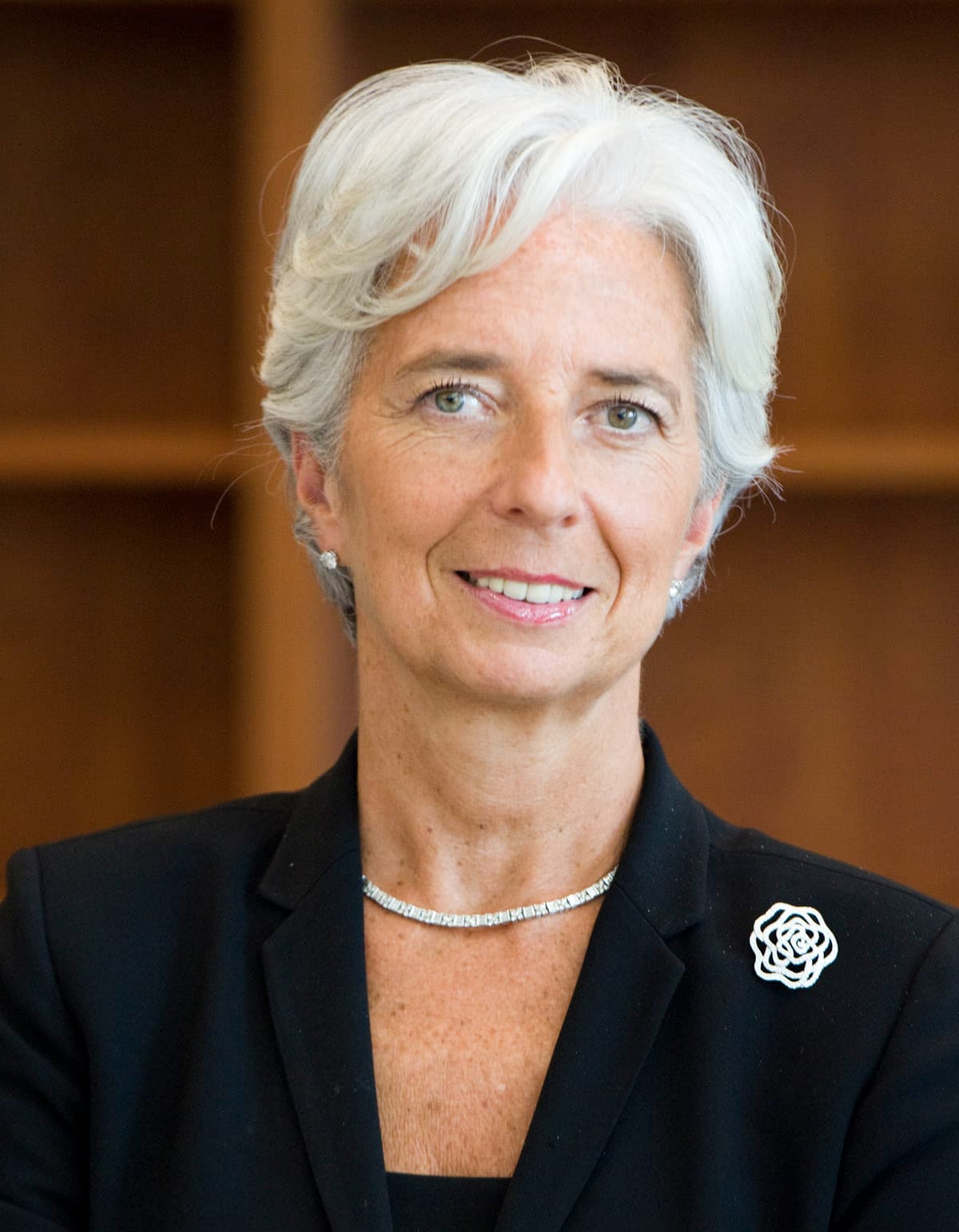
Lagarde to leave ECB on 7 February 2027, opening race for eurozone's top monetary job
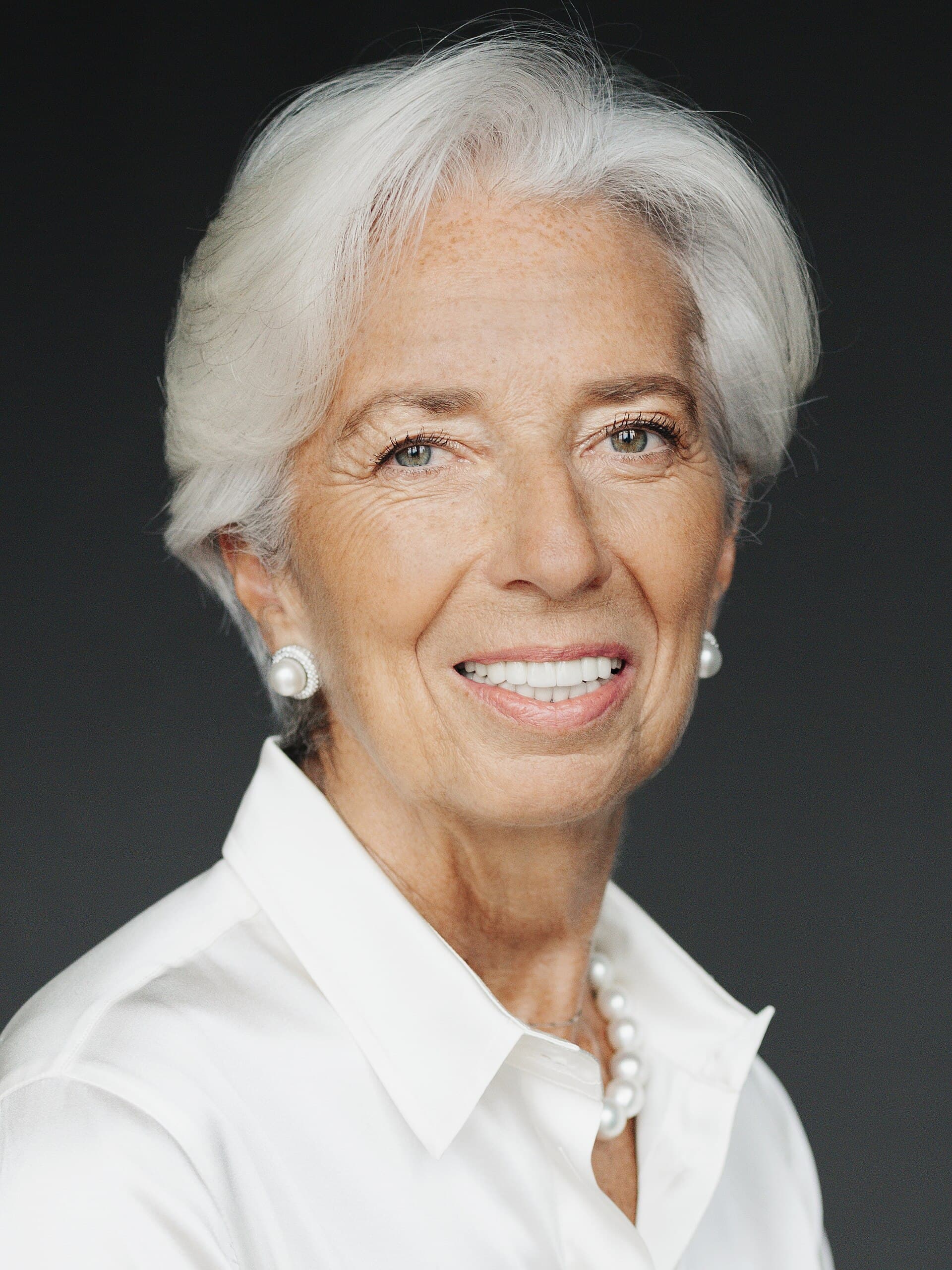
Christine Lagarde will leave the European Central Bank on 7 February 2027, cutting short a term that was due to run to October that year and firing the starting gun on one of Europe's most consequential leadership contests. The winner will set interest rates for the eurozone's 21 member states and their more than 350 million people, at a moment when the Frankfurt-based institution is still fighting elevated inflation.
"I leave this institution with a sense of good work done, and an ECB that is fit for the future," Lagarde said in a video message. She is stepping down to be able to better engage in matters like events in France, according to people familiar with what she told the Governing Council. European Council president Antonio Costa said the appointment process would be initiated on Thursday and proceed without delay, with a view to a timely decision by the European Council. Eurogroup head Kyriakos Pierrakakis said his group would move swiftly to prepare a recommendation, and German Chancellor Friedrich Merz said a decision would be reached by the end of the year.
Two front runners have emerged: Spain's Pablo Hernandez de Cos, a former Bank of Spain chief who now heads the Bank for International Settlements, and the Netherlands' Klaas Knot. Economists surveyed in October reckoned De Cos the favourite, according to Token Times. Lagarde, the ECB's fourth president and its second from France, replaced Mario Draghi in 2019. Before her, only Wim Duisenberg failed to complete a full term, and his shortened stint was agreed in advance to settle a dispute between France and Germany before the bank opened in 1998.
The timing is delicate. The ECB raised borrowing costs in June and September and markets expect further tightening, with the US and Iran yet to strike a lasting peace deal. Bond yields have risen around the globe, and investors are especially nervous about France's public finances: the premium demanded to hold French 10-year debt over German recently reached its highest since 2011, fuelling speculation about possible ECB intervention. German 10-year yields held one basis point lower at 3.36% and the French premium held steady at 154 basis points after the announcement.
Lagarde's early exit also hands President Emmanuel Macron a say in choosing her successor before his final term ends, a timetable that risks accusations of political encroachment on the bank's independence. Governments must fill two other posts as well: Isabel Schnabel leaves in early 2027, a year early, to join the International Monetary Fund, and chief economist Philip Lane's mandate expires in May, so leaders meeting in November and December will probably try to settle all three together. "Throughout its history, the ECB has successfully managed leadership transitions while continuing to fulfil its mandate," Lagarde told staff. "This situation is no different."