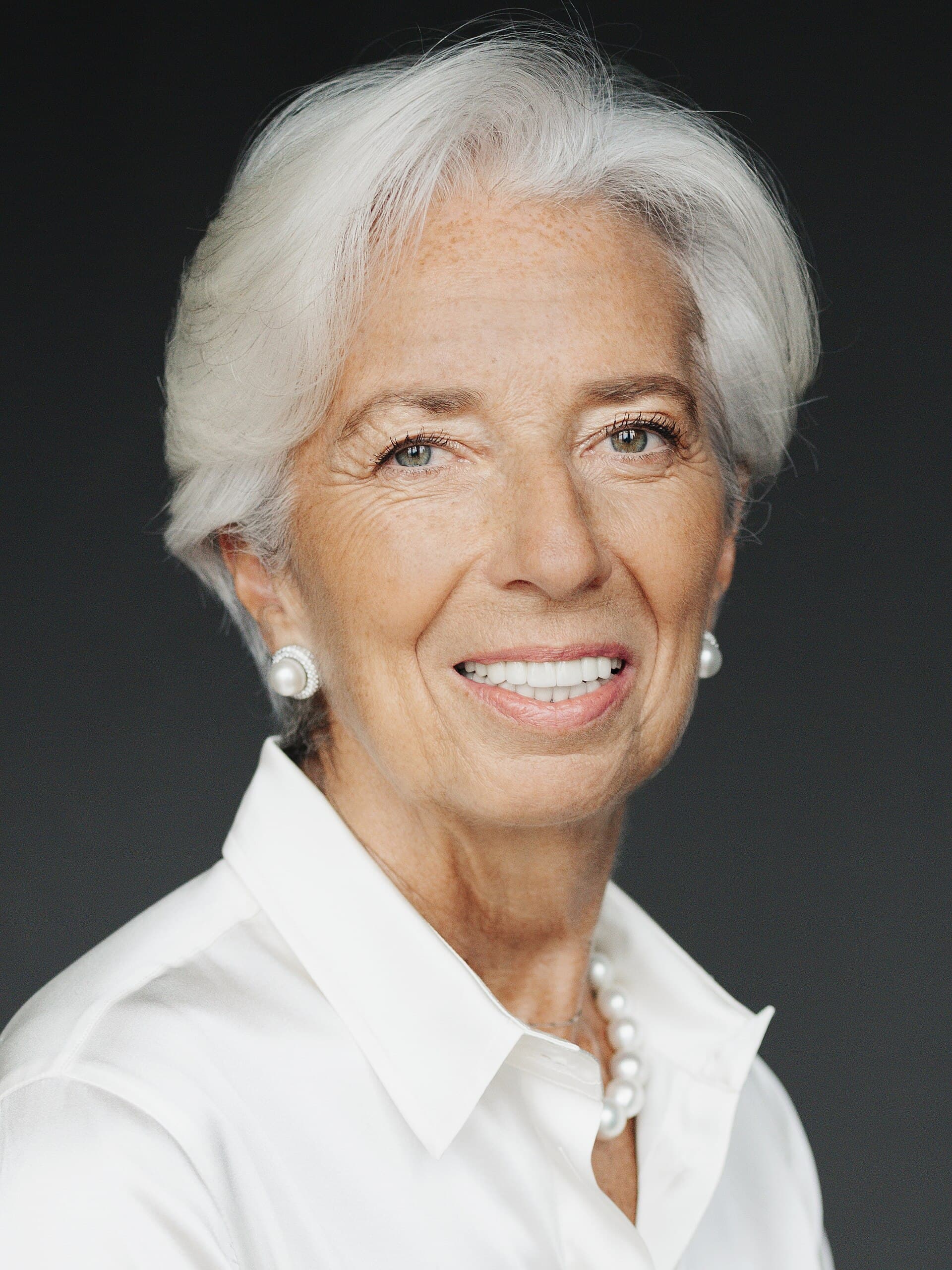
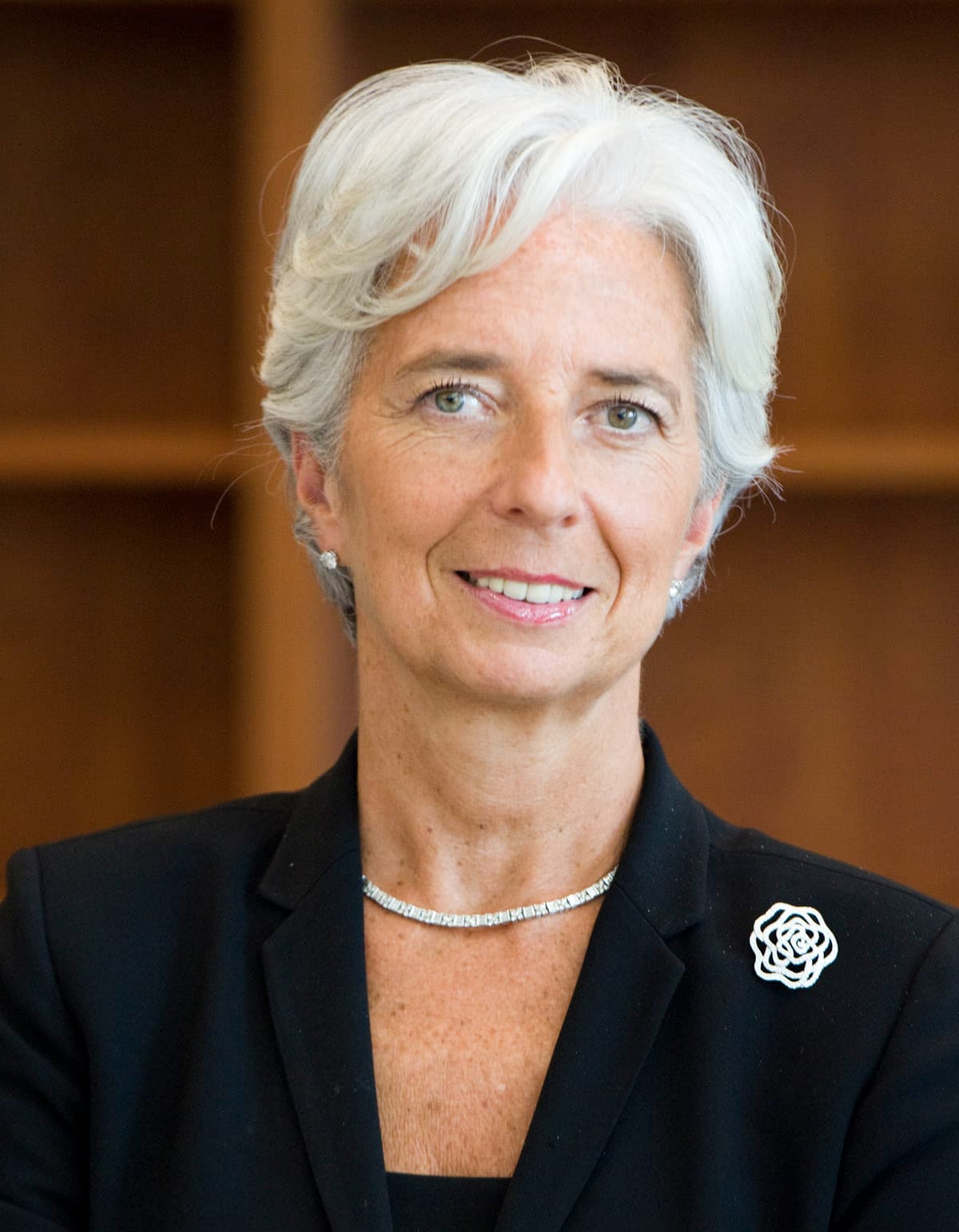
Lagarde to resign nine months early, opening ECB succession race

Christine Lagarde will resign as European Central Bank president on 7 February, nine months before her eight-year term was due to end on 31 October 2027, the ECB said. The early exit gives EU leaders a window to choose her successor while France's pro-European president, Emmanuel Macron, is still in office, ahead of a presidential election in which Marine Le Pen is expected to run.
Lagarde, 70, a former head of the International Monetary Fund, said in a video message on X that serving the institution had been "a great pride and a huge privilege" and that she leaves "an ECB that is fit for the future". European Council President Antonio Costa said the selection process "will be initiated today and will proceed without delay".
The vacancy is one of three at the top of the bank. Chief economist Philip Lane's term ends on 31 May, and executive board member Isabel Schnabel resigns on 3 January to join the International Monetary Fund. Holger Schmieding, chief economist at Berenberg bank, said EU leaders would likely try to agree a package apportioning all three posts before a summit on 17-18 December, and named former Netherlands central bank head Klaas Knot and Pablo Hernandez de Cos, general manager of the Bank for International Settlements, as leading candidates for Lagarde's job.
Schmieding said the early departure was "no surprise and does not change the outlook for ECB policies", but that the EU was trying to guard against the risk of a Le Pen victory in April-May 2027, with the successor appointed while Macron remains in the Élysée Palace. The ECB president chairs the governing council that sets interest rates for the 21 countries using the euro, shaping borrowing costs from mortgages to factory investment, and acts as the EU's chief crisis fighter.
Lagarde's tenure included the 2020 deployment of €1.35 trillion ($1.5 trillion) in emergency bond purchases to keep credit flowing through the pandemic. She was appointed in 2011 to succeed Mario Draghi, whose 2012 pledge to do "whatever it takes to preserve the euro" calmed bond markets during the eurozone debt crisis.