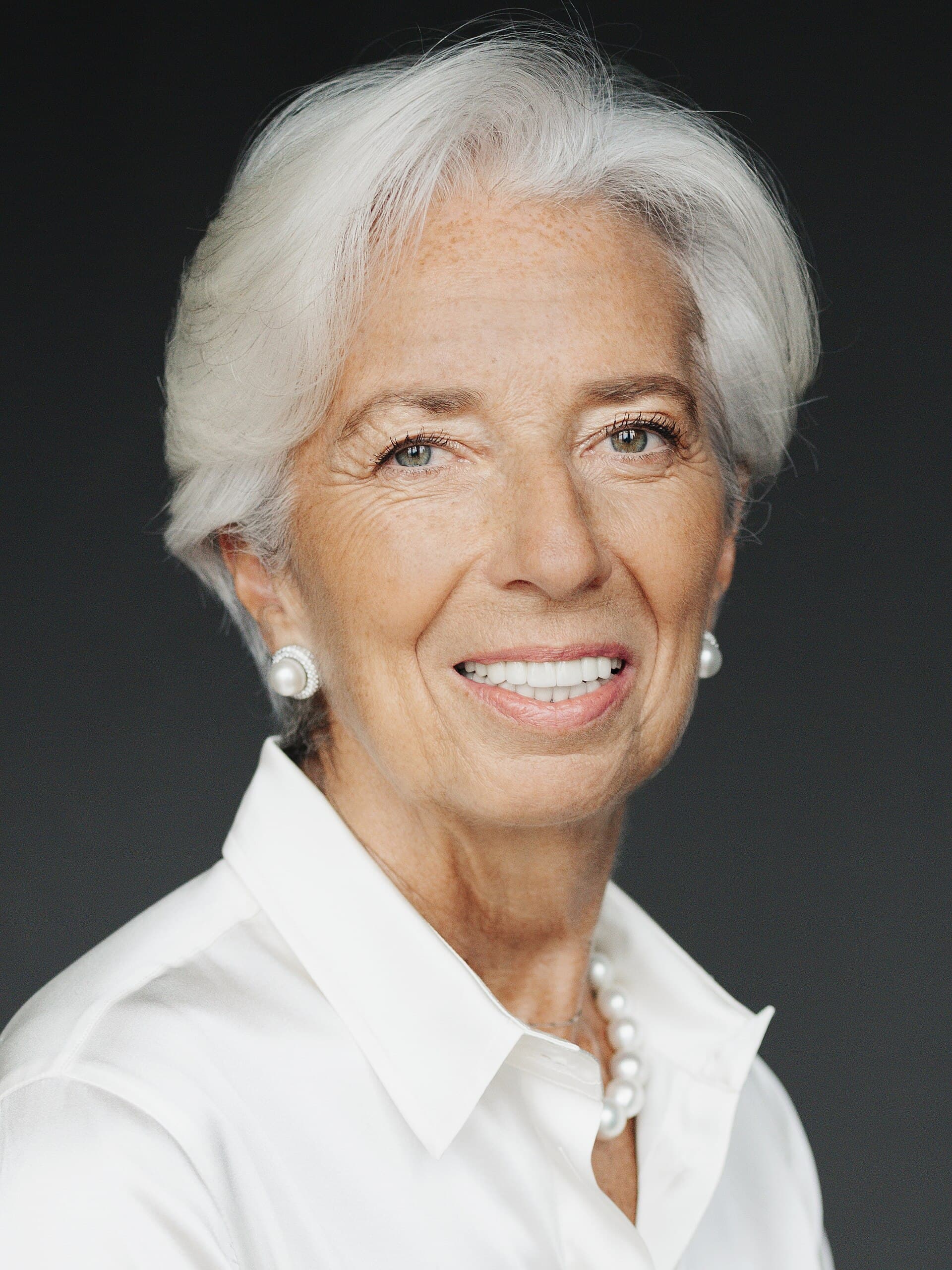
Lagarde to step down early on February 7, 2027, nine months before term ends
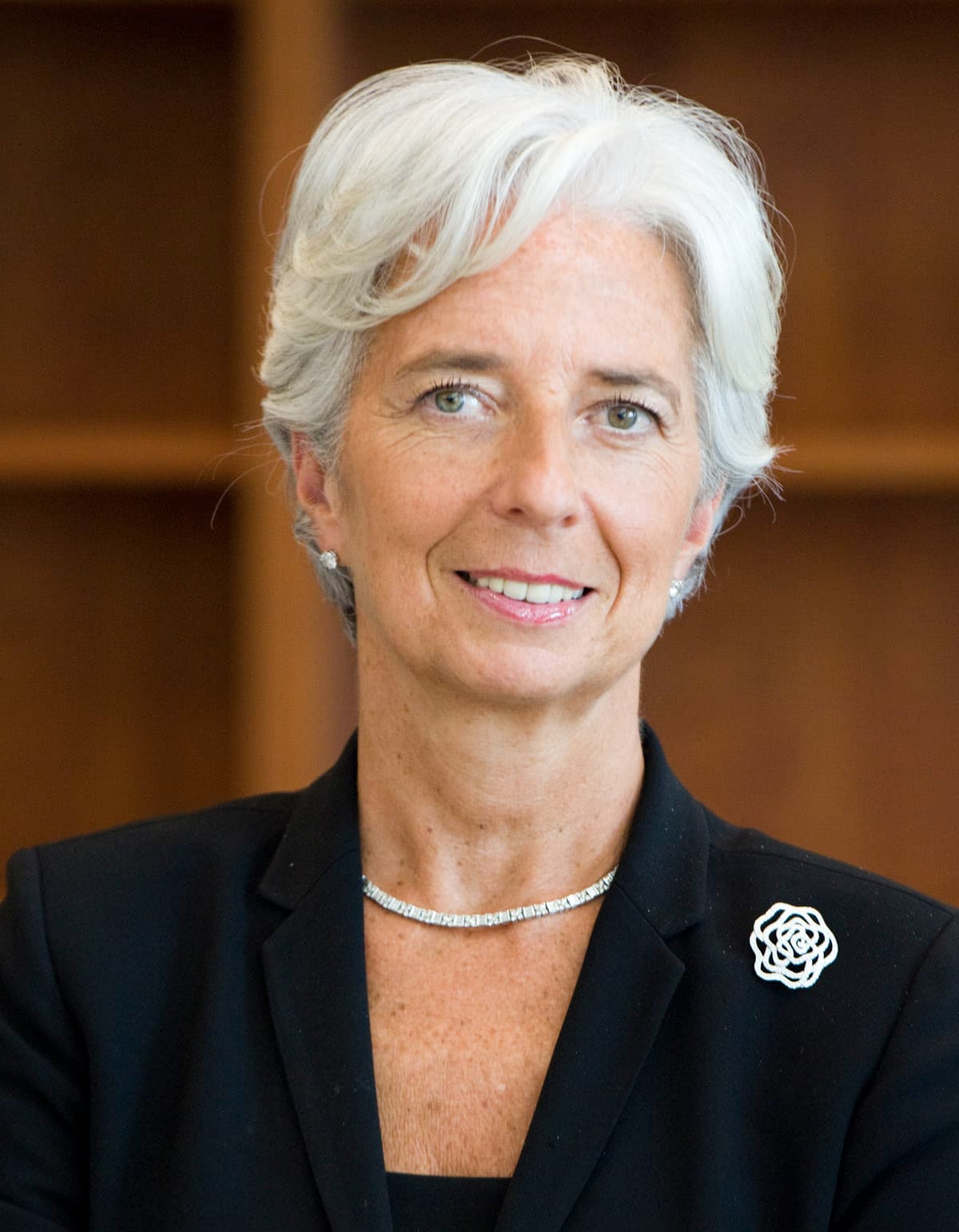
Christine Lagarde will step down as president of the European Central Bank on February 7, 2027, ending her tenure nearly nine months before her eight-year term was scheduled to expire. The ECB said Lagarde had informed its Governing Council and European Council President António Costa of the decision, and that the Governing Council thanked her warmly and gave her a standing ovation.
The timing lands the euro area's most powerful monetary post in open succession while the ECB is still navigating elevated inflation pressures. At its September meeting the Governing Council raised all three key interest rates by 25 basis points, lifting the deposit facility rate to 2.50 percent, and said inflation was expected to remain above its 2 percent target for an extended period. Its September projections put headline inflation at an average 3.0 percent in 2026, 2.5 percent in 2027 and 2.1 percent in 2028.
The vacancy is not the only one. Executive Board member Isabel Schnabel is due to leave in January 2027 and Chief Economist Philip Lane's term is scheduled to end on May 31, 2027, so the institution's leadership will turn over almost entirely within a few months. Vice-President Boris Vujčić began his eight-year term in June 2026, while board members Piero Cipollone and Frank Elderson have terms extending through 2031 and 2028 respectively.
Under Article 283 of the Treaty on the Functioning of the European Union, euro-area member states can propose candidates before the Eurogroup discusses and agrees on one. The Council then adopts a recommendation to the European Council, which consults the European Parliament and the ECB Governing Council before making the final appointment by reinforced qualified majority in its euro-area composition: with 21 euro-area countries, at least 16 representing at least 65 percent of the euro-area population must support the choice. Candidates must be nationals of euro-area member states with recognised standing and professional experience in monetary or banking matters, and will serve a non-renewable eight-year term.
Token Times reported that Klaas Knot, former governor of the Dutch central bank, and Pablo Hernández de Cos, former governor of the Bank of Spain, are among the figures viewed as possible candidates to succeed Lagarde, though neither has been formally nominated and the European Council has announced no selection. Lagarde, the first woman to serve as ECB President, took office on November 1, 2019, succeeding Mario Draghi, having previously served as Managing Director of the International Monetary Fund from 2011 to 2019 and as France's Minister of Economy and Finance from 2007 to 2011. Her tenure spanned the pandemic disruption, the surge in euro-area inflation and the shift from exceptionally accommodative policy toward aggressive monetary tightening. She remains in the post until February 7.