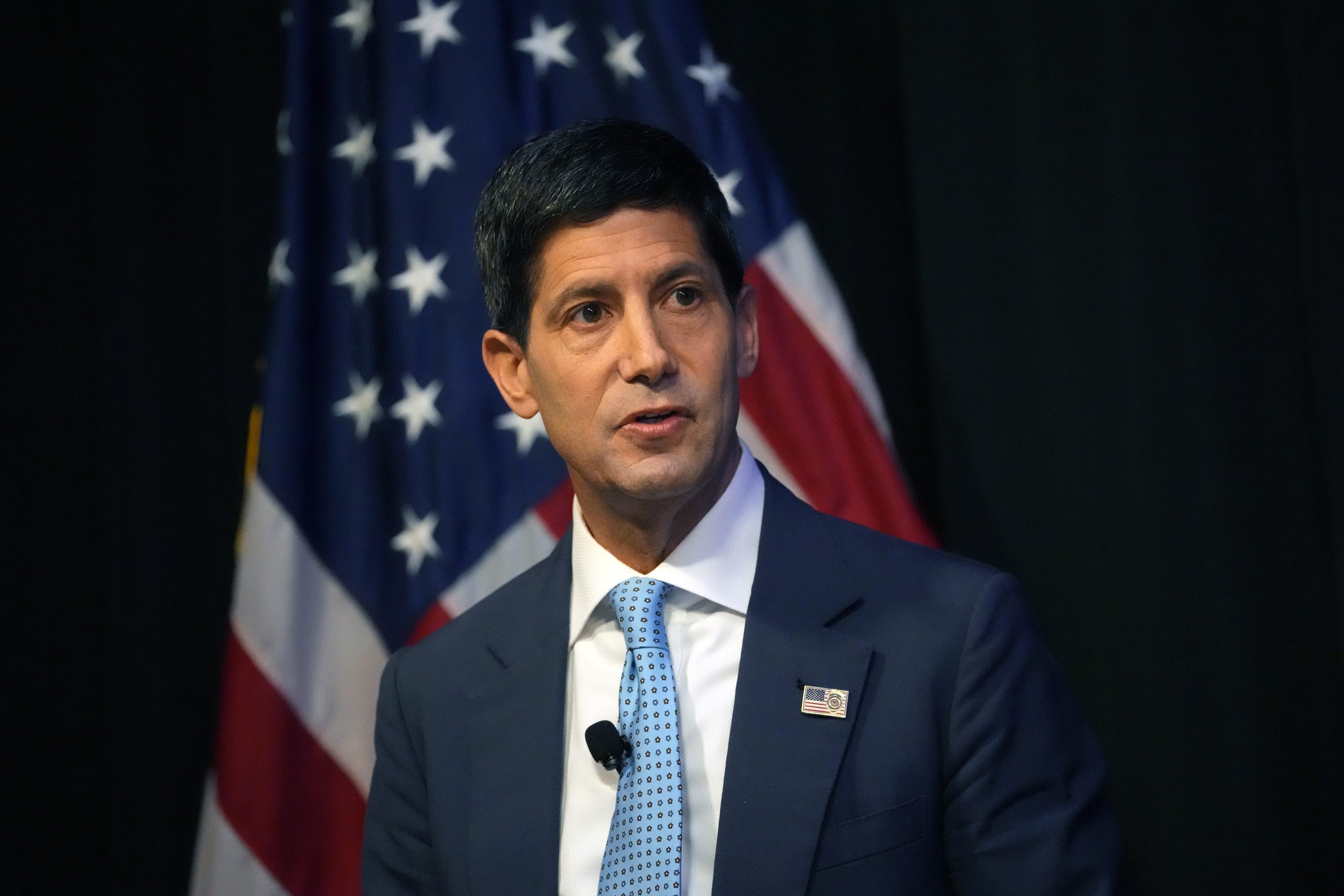
Fed's Waller warns tokenised assets risk being stranded on 'zombie chains'
Tokenised assets could end up stranded if the blockchain they sit on fails, Federal Reserve Governor Christopher Waller warned, urging regulators and market participants to write clearer rules on custody, insolvency and settlement before the shift to digital money goes further.
Speaking at The Clearing House Annual Conference on November 17, Waller described a rapid move of equities and commodities onto blockchains and said stablecoins are increasingly settling payments behind the scenes in card networks. He said banks are experimenting with tokenised deposits that mirror checking-account balances, and that the Fed will support responsible innovation across payments. "Central bank money need not be used in every transaction or on every platform, but its presence at the foundation of the system is essential," he said.
Waller defined "zombie chains" in his written remarks as blockchains with very little developer activity and daily use, and questioned who should be held accountable if "fraudsters take advantage of the automatic execution of smart contracts." He said traditional rails and the forms of money exchanged on them will keep underpinning trust in the payment system, and that multiple forms of digital money will coexist with established networks rather than replace them.
He also cautioned that faster transactions do not remove risks around redemption, liquidity and settlement. Instant settlement, he said, could strain liquidity by removing the benefits of netting, making working-capital efficiency more important than speed alone. "The Federal Reserve will continue to support responsible innovation by regularly engaging with and listening to industry, providing core payment and settlement infrastructure on which all market participants can build, and monitoring risks to financial stability," Waller said.
Separately, 39 state banking associations have formed the BankChain Alliance, which aims to launch a bank-operated network for tokenised deposits, stablecoins and payments in 2027. Goldman Sachs, Citigroup, Banco Santander and Deutsche Bank are among institutions that have committed approximately $270 million to a venture known internally as Project Faro, with a US dollar-backed stablecoin targeted for launch in the first half of 2027.