Japan pitches Asian oil stockpile task force to share emergency reserves

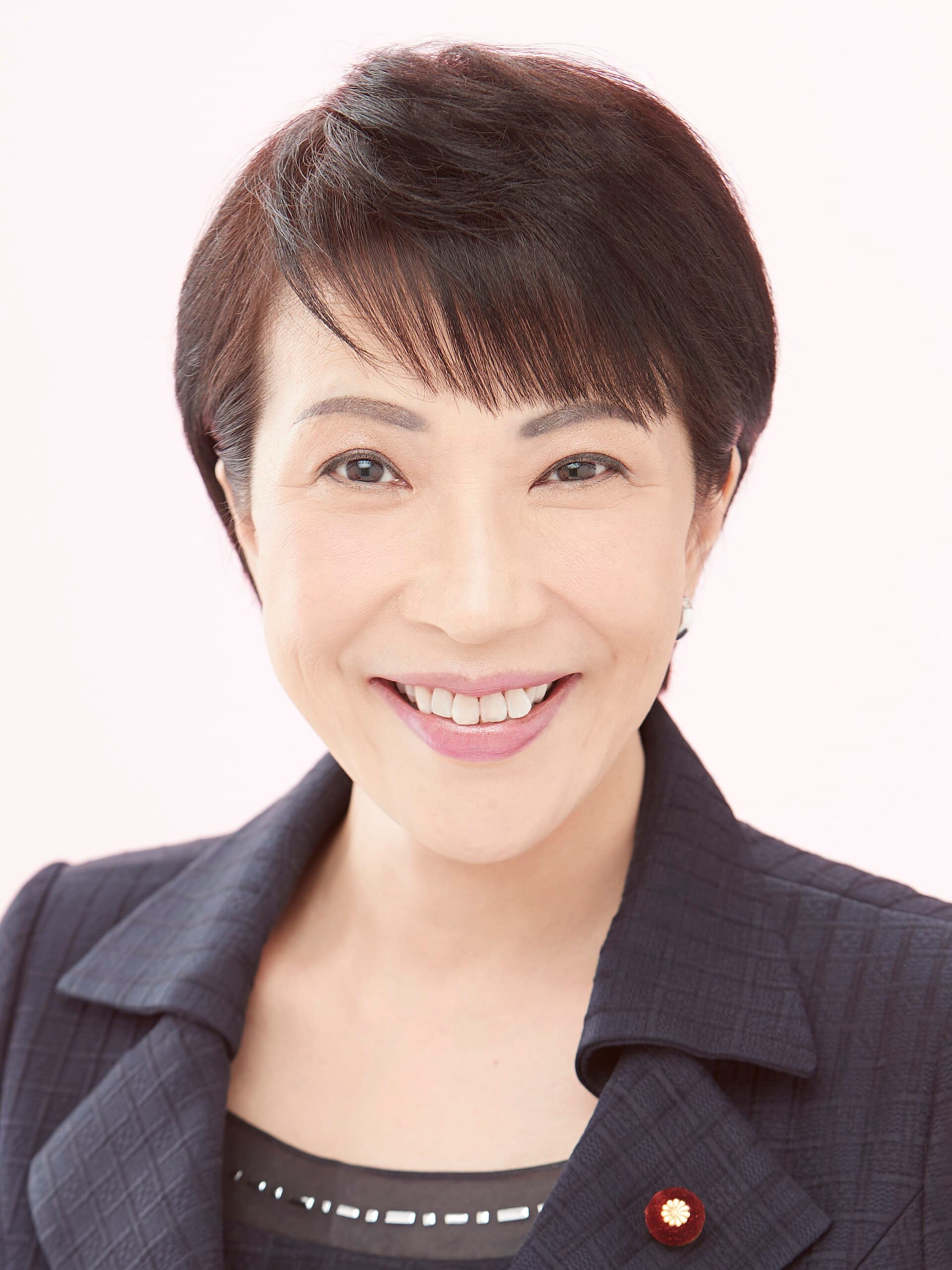
Japan has proposed a regional task force to coordinate oil stockpiling and the release of supplies in emergencies, offering neighbours access to idle storage capacity in Japan. Prime Minister Sanae Takaichi pitched the plan to Southeast Asian leaders at a summit in Manila, saying it would be run alongside a Philippine-led joint stockpiling scheme.
"We intend to promote it as an equivalent of an Asian version of the International Energy Agency," Takaichi said at the Asia Zero Emission Community leaders' meeting during the ASEAN Summit. She also proposed a "Power Gulf Initiative" to deepen cooperation between Middle Eastern oil producers and Asian energy consumers.
The push follows the Iran war, which exposed Asia's dependence on Middle Eastern oil and gas moving through the Strait of Hormuz. About 90% of the crude oil passing through the waterway is destined for Asia, according to Japan's Agency for Natural Resources and Energy.
Philippine President Ferdinand Marcos Jr. told the same summit that Manila was making progress on its strategic petroleum reserve and seeking investment in energy projects. Stockpiling alone was not enough, he said. "Sustainable and enduring energy security demands that oil-consuming and oil-producing nations act in unison. We must deepen information sharing and practical storage arrangements, as well as commit to upholding international law to keep sea lanes open and maintain fair, transparent markets," he said.
Southeast Asian stockpiles are smaller than Japan's, and supplies of crude and products such as naphtha, a key plastics feedstock, have become very tight. A disruption in Southeast Asian production has fuelled anxiety among Japanese healthcare providers that rely on Asia for critical supplies such as containers, tubes and gloves. The AZEC group comprises Australia, Brunei, Cambodia, Indonesia, Japan, Laos, Malaysia, the Philippines, Singapore, Thailand and Vietnam.