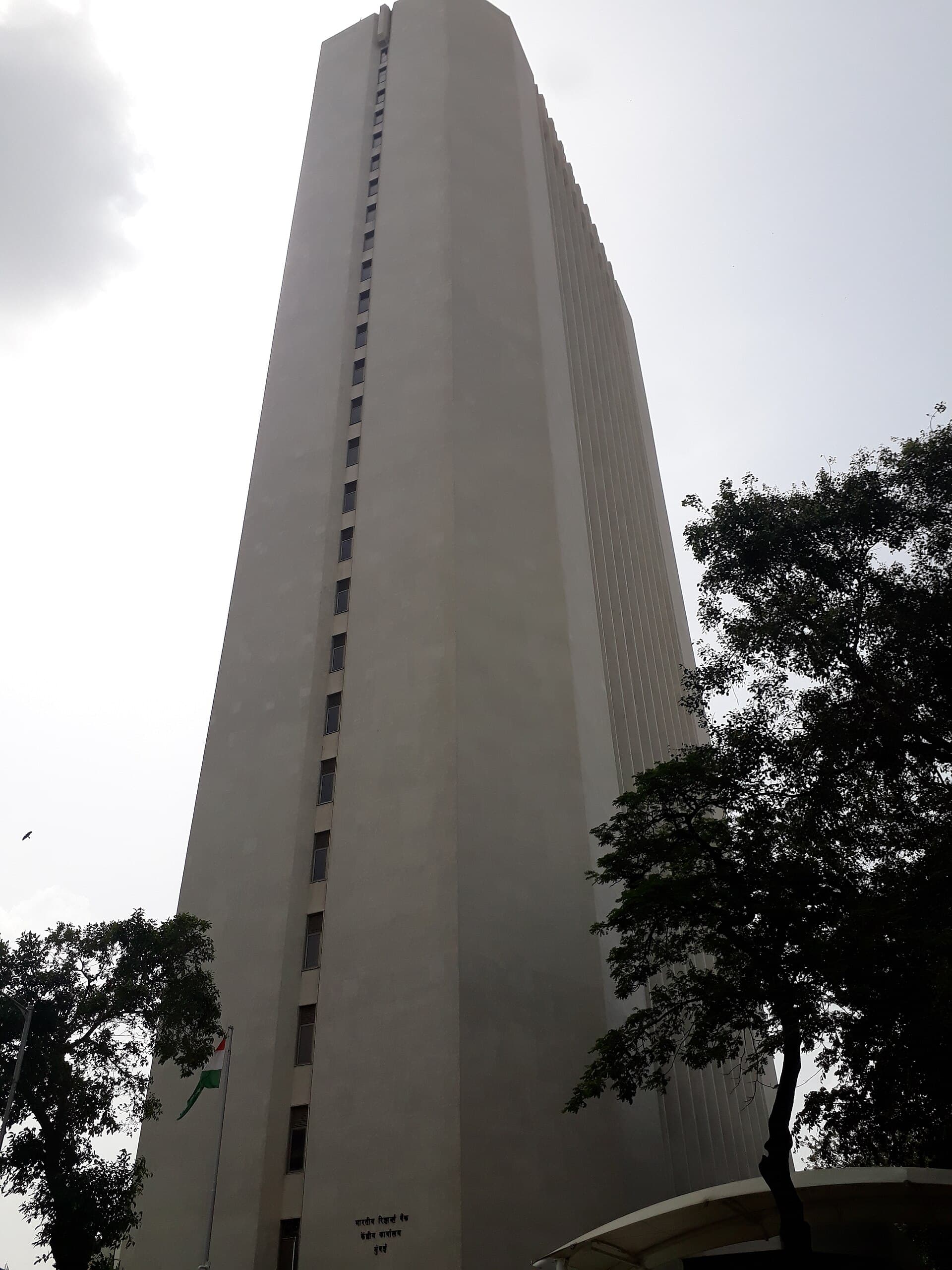
India's forward dollar buying falls 35% as RBI curbs bite on rupee speculation
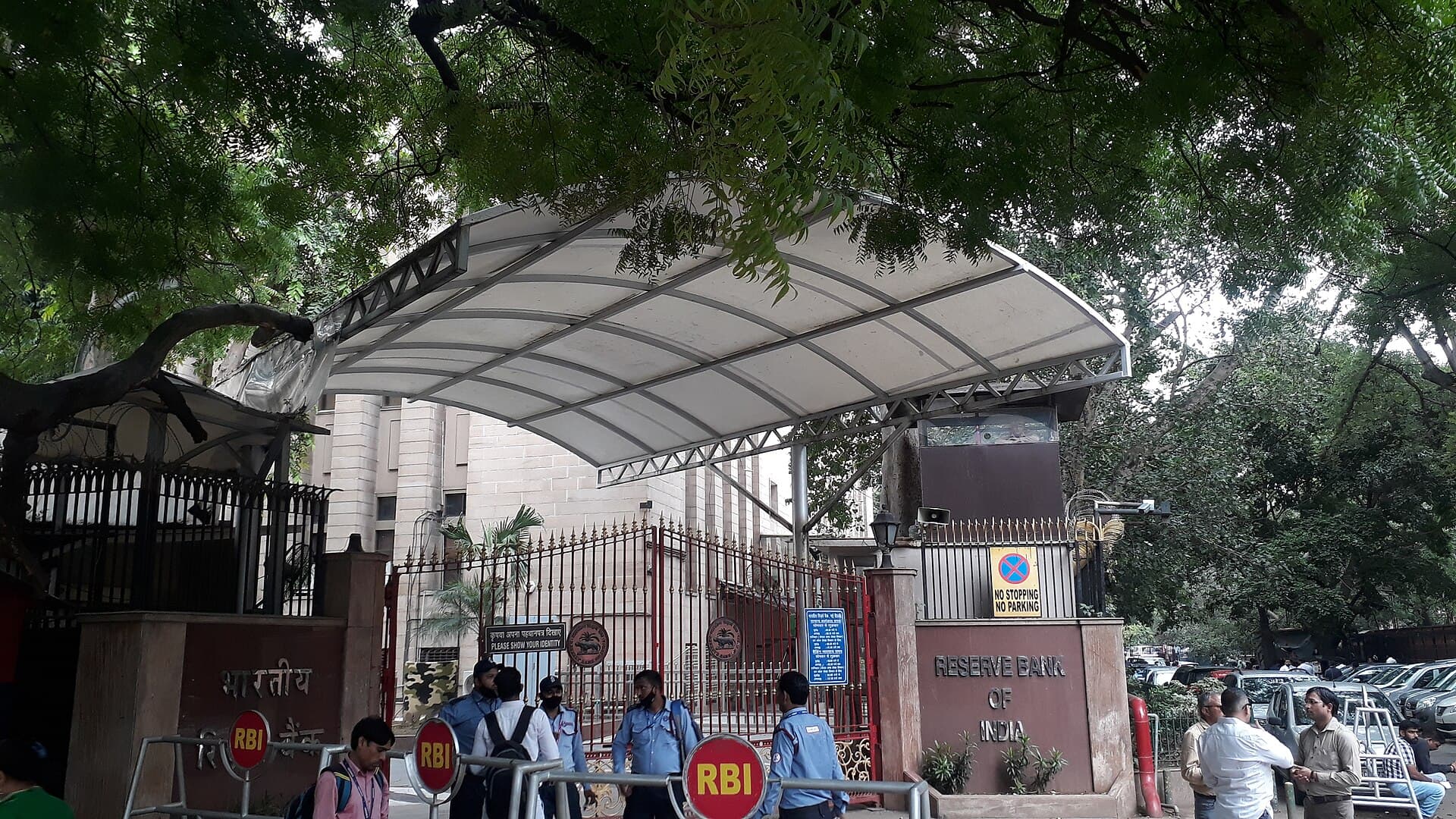
Indian companies' purchases of forward dollars fell 35% in October from a record high the previous month to $49.5 billion, the lowest since February, according to clearinghouse data. The drop followed sweeping measures by the Reserve Bank of India to defend the rupee as it neared a record low, including a China-style foreign-exchange risk reserve that has made building forward dollar positions more expensive.
The rupee has since risen about 2% against the dollar, though it remains among Asia's weaker performers this year. "These measures reflect the policymakers' discomfort with persistent foreign-exchange pressures, but they remain tactical fixes rather than structural solutions," said Madhavi Arora, chief economist at Emkay Global Financial Services Ltd.
The curbs, which build on steps taken in March, show the RBI leaning more on regulatory tools alongside direct market intervention. They have also disrupted hedging markets: the cost of insuring against rupee weakness rose to multi-year highs last month and remains elevated. For fully hedged investors, that can erode the yield advantage of domestic bonds, said Norbert Ling, head of fixed income portfolio management for Asia Pacific at Invesco Hong Kong Ltd. Overseas investors sold index-eligible bonds worth about $590 million in October, a second straight month of outflows despite recent tax cuts for global funds.
Exporters have also held back, with forward dollar sales at $32.2 billion last month, the lowest since May, reflecting uncertainty over the currency's outlook. Underlying demand for dollars remains elevated: average monthly importer purchases have climbed around 40% to $62 billion this year, even as costly oil strains India's external finances.
What it means for Pakistan: The RBI's playbook matters in Karachi as much as in Mumbai. Pakistan's rupee has repeatedly come under pressure, and the State Bank has leaned on administrative measures - import restrictions, forward-cover limits and exchange companies' rules - when reserves were thin. India's experience shows such tools can steady a currency for a time while freezing the hedging market that importers and exporters rely on, raising costs for anyone with dollar obligations. For Pakistani businesses that hedge through bank forwards, and for foreign funds weighing local-currency debt, the lesson is that regulatory curbs buy time but do not remove the underlying dollar demand.