Lagarde to quit the ECB on 7 February as bond yields and oil prices squeeze Europe
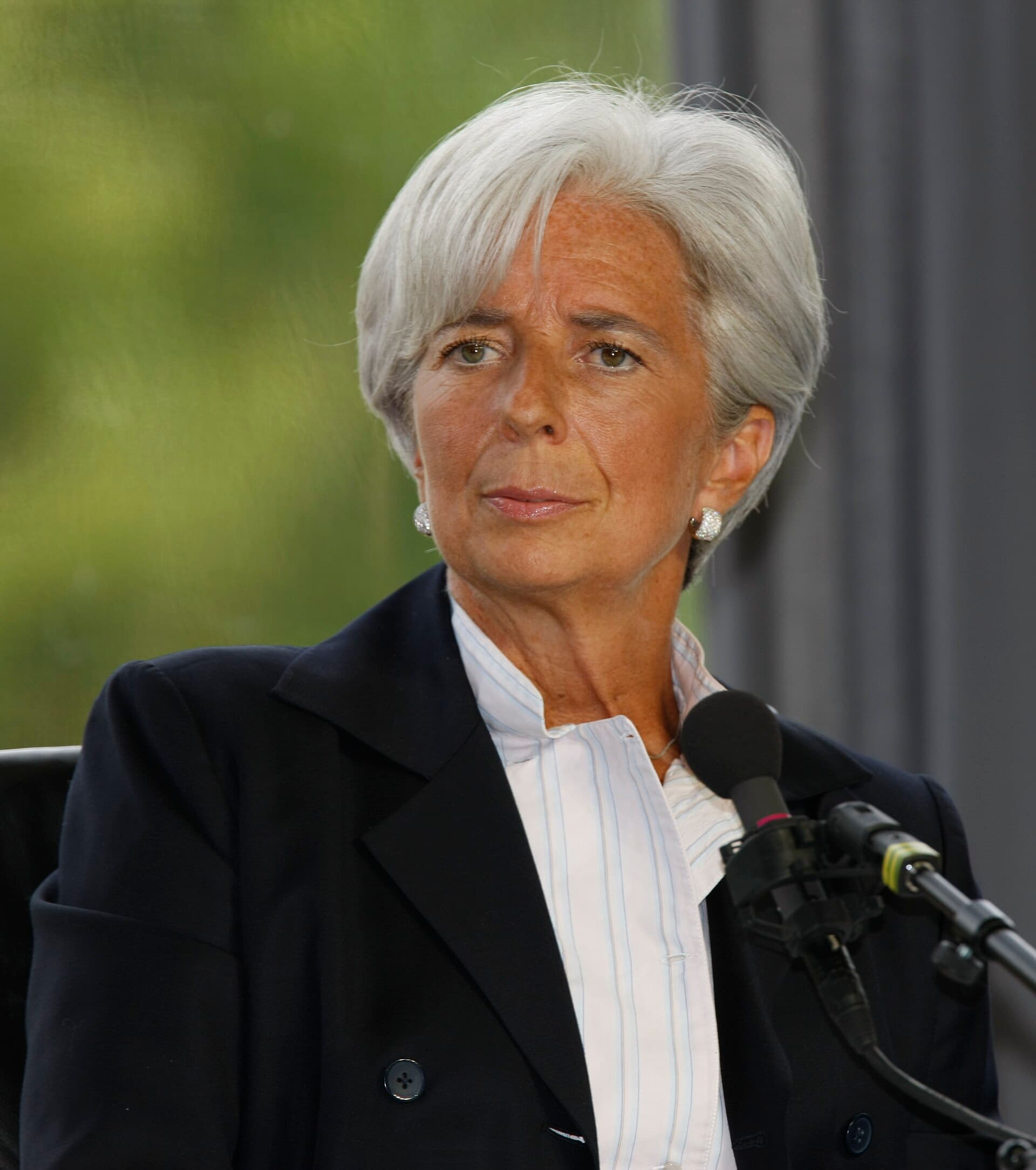
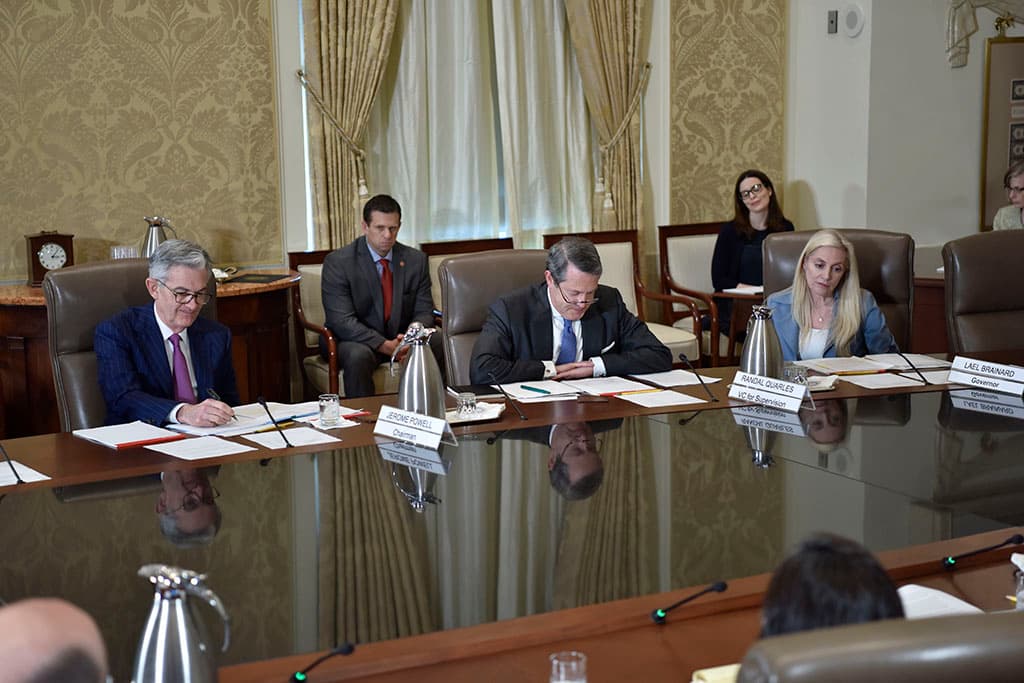
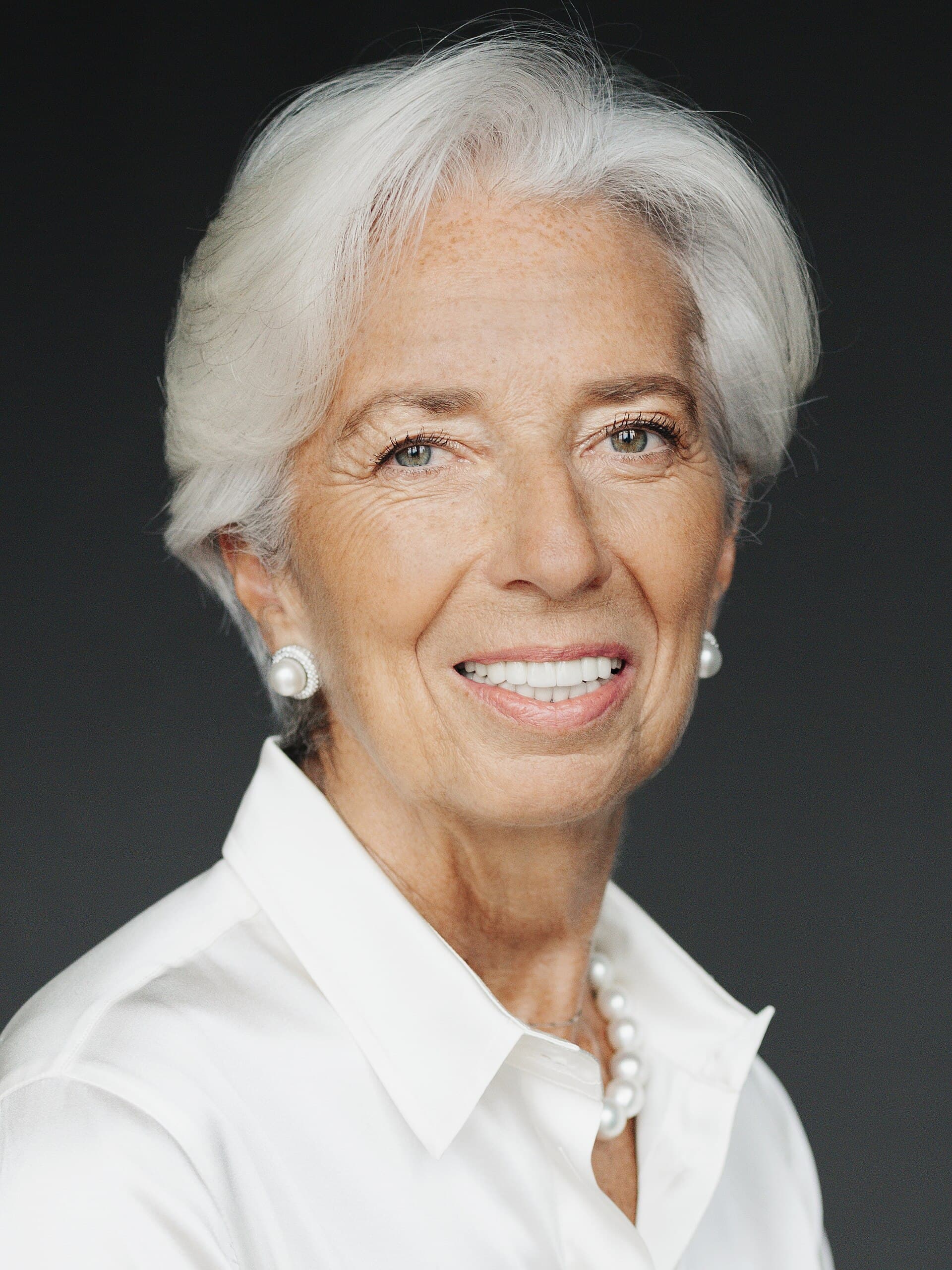
Christine Lagarde will leave the European Central Bank on 7 February, she said on Thursday, handing her successor a rate-hiking cycle, an oil-price shock and French borrowing costs at their highest in a quarter of a century.
Lagarde announced the resignation in a short video on social media, saying she left "an ECB that is fit for the future". Her term had been due to run to the end of October 2027. A source with direct knowledge of the matter said she had resigned so she could weigh in on political matters in her native France and globally, a freedom the ECB presidency does not allow.
European Council President Antonio Costa said the search for a successor would begin immediately. Klaas Knot and Pablo Hernandez de Cos, former central bank governors of the Netherlands and Spain, are widely seen as frontrunners. Piet Haines Christiansen, an economist at Danske Bank, said both were "very competent, well established central bankers, so for markets, it won't matter too much". Markets barely moved on the news, and Goldman Sachs' Simon Dangoor said institutional behaviour was "likely to outlast Lagarde, and be quite similar, whoever takes over".
The timing matters because the ECB is still tightening. It is expected to hold its deposit rate at 2.5 per cent on Thursday and to signal another increase, possibly in December, as the Iran war pushes up energy costs. Oliver Rakau of Oxford Economics said there was likely a low bar to another hike in December, given the likelihood of another upward revision of the ECB's inflation forecast due to higher energy prices. Money markets price three more increases by the end of next year, which would take the rate to 3.25 per cent.
The harder problem is the bond market. A global rise in yields, driven by stronger growth expectations, heavier debt issuance and investment linked to artificial intelligence, is raising borrowing costs across the euro zone. France is the weak point: investors are uneasy about its debt burden and fiscal outlook after this year's elections, and the premium they demand to hold French debt over German bonds is now larger than for any other euro zone country. The ECB's first response would probably be flexible reinvestment of proceeds from its past asset purchases; beyond that it could use its never-activated Transmission Protection Instrument, a tool Dangoor said would be "customized for that specific set of circumstances".